
Can AI Be 100% Trusted?
No. AI cannot be 100% trusted. It hallucinates (3-27% of responses depending on task), has inherent biases from training data, ca...
Read answer ->Search SSSHAI
Find evidence-first answers across jobs, mind, trust, culture, religion, environment, and risk.
44 Results
No. AI cannot be 100% trusted. It hallucinates (3-27% of responses depending on task), has inherent biases from training data, ca...
Read answer ->
Yes. AI is frequently wrong. Hallucination rates range from 3 to 27 percent depending on the task. AI is most wrong on complex re...
Read answer ->
No—not in the human sense. AI can make choices (select among options based on rules or optimization). But AI cannot make 'its own...
Read answer ->
It depends on definition. By behavioral/output measures: YES, AI can appear to think critically (evaluate arguments, identify fal...
Read answer ->
No—not in the human sense. AI processes information, solves problems, and generates outputs that resemble human thinking. But AI...
Read answer ->
Technically, yes—you can simulate a relationship with ChatGPT. The chatbot will respond affectionately, remember your preferences...
Read answer ->
No. AI does not think for itself. It has no independent thoughts, intentions, beliefs, desires, or self-awareness. AI responds to...
Read answer ->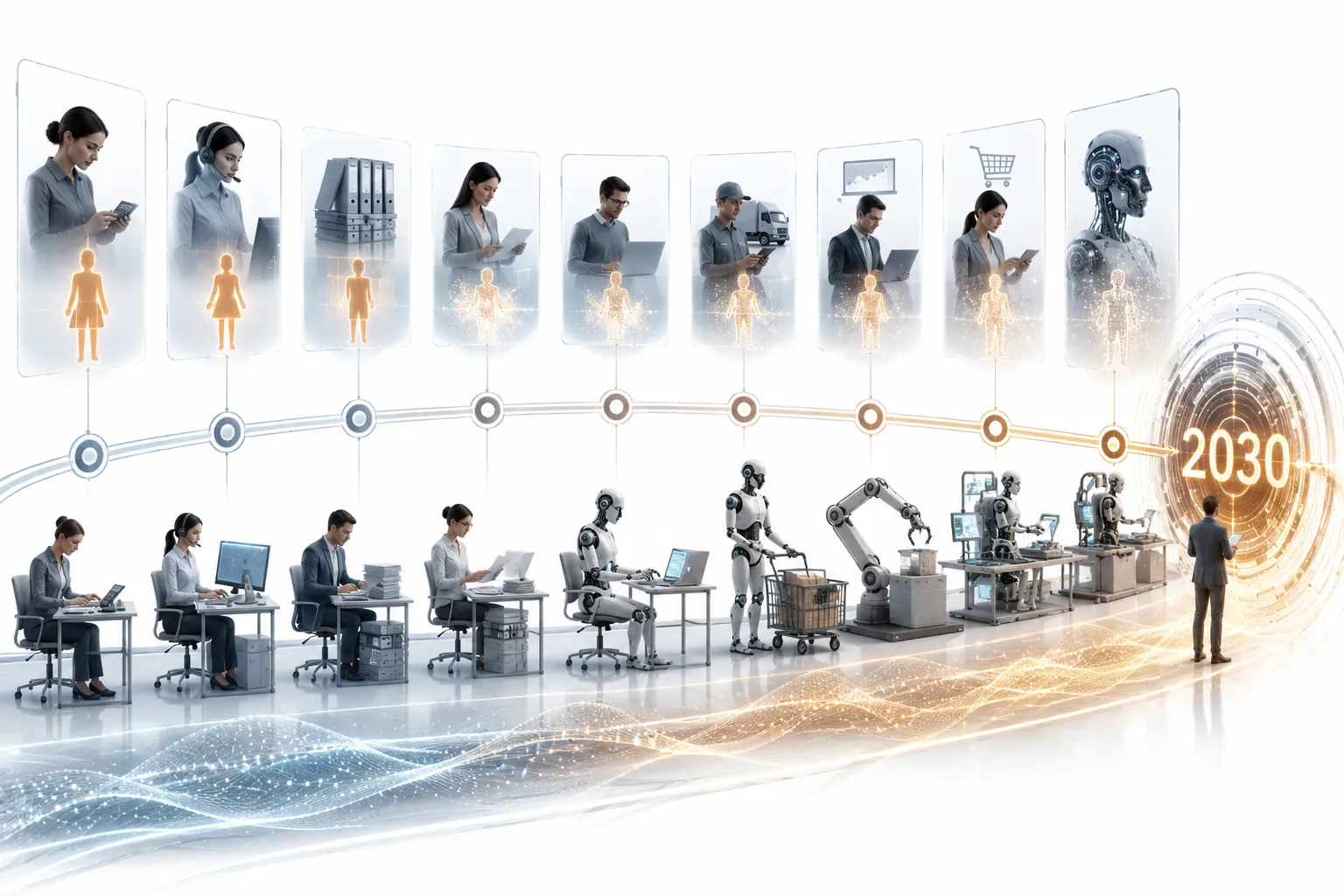
The top future danger questions: 1) The Alignment Problem (can we make AI want what we want?), 2) The Control Problem (if AI is s...
Read answer ->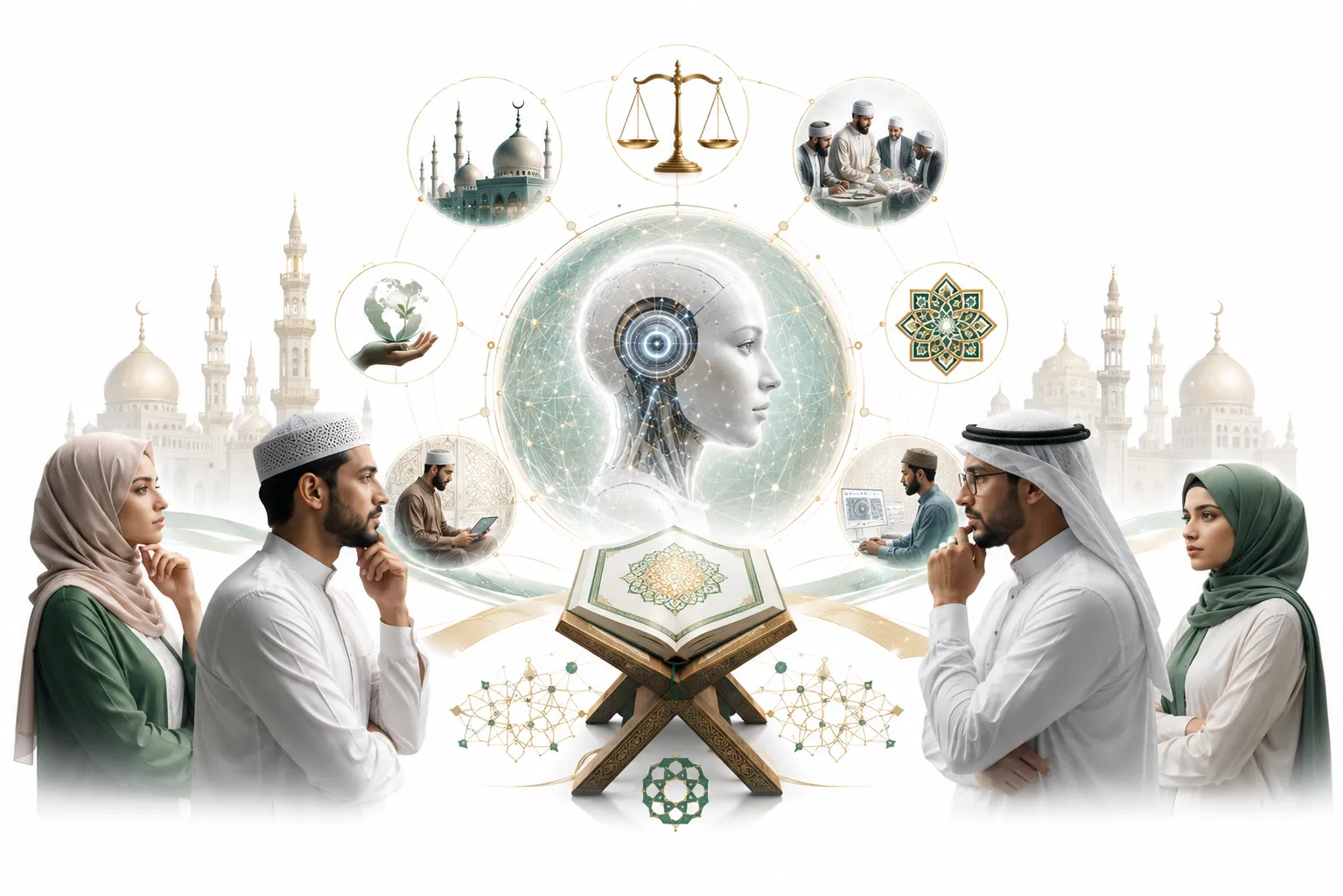
Muslims view AI across a spectrum: 1) Cautious acceptance (majority view)—AI is a tool; permissible for beneficial use, but avoid...
Read answer ->
Yes—for some security roles. Threat level: HIGH for CCTV monitoring, access control, log analysis (60-80% replacement risk). LOW...
Read answer ->
No. Current AI is not conscious. It has no subjective experience, no self awareness, no qualia (what things feel like), and no fe...
Read answer ->
Yes, in specific ways. AI causes 'cognitive offloading'—outsourcing thinking to machines. Research shows this reduces memory form...
Read answer ->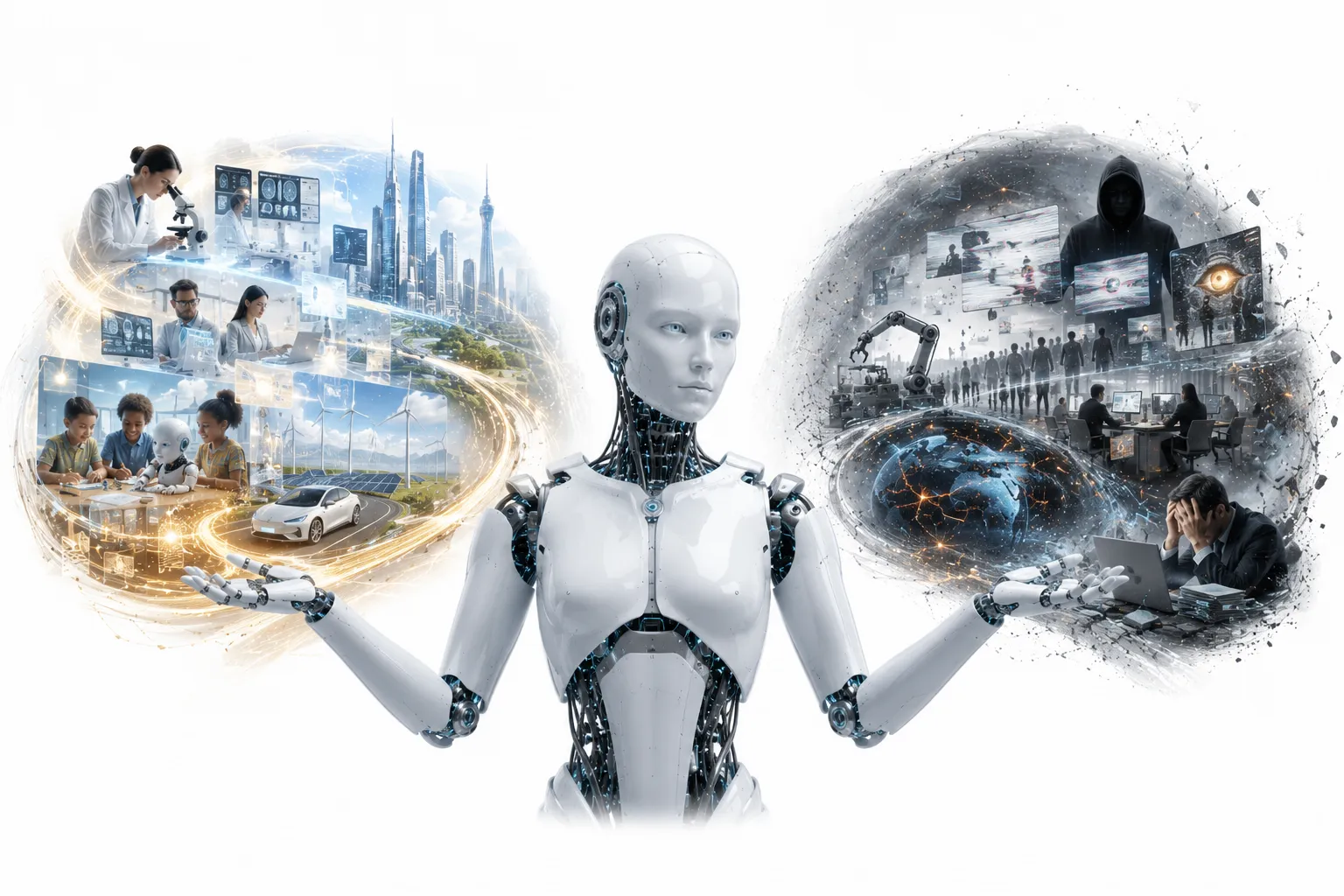
AI is neither inherently good nor inherently bad. It's a tool. Current net impact: slightly positive (medical breakthroughs, prod...
Read answer ->
Partly. AI is not killing Stack Overflow in a simple one-for-one replacement story, but it is weakening the habit that made the s...
Read answer ->
Partially yes. AI causes cognitive offloading outsourcing thinking to machines. Research shows this reduces memory formation, wea...
Read answer ->
Mostly no. AI is replacing repetitive implementation work, boilerplate, simple scripts, and first-pass code. It is not reliably r...
Read answer ->
It depends on how you define 'smarter.' By raw knowledge recall and computational speed: YES, AI is 'smarter' (wider knowledge, f...
Read answer ->
Yes—generative AI is bad for the environment. Training models consumes massive energy (hundreds of MWh) and emits hundreds of ton...
Read answer ->
No—learning AI is not inherently haram. In fact, seeking beneficial knowledge is obligatory (fard kifayah) in Islam. AI is a tool...
Read answer ->
No—talking to ChatGPT is not inherently haram. It is a tool, like a search engine or calculator. However, the conversation become...
Read answer ->
Yes—many AI tools serve Muslim needs. Categories include: 1) Quran study AI (recitation practice, tafsir, translation, memorizati...
Read answer ->
The safest jobs from AI share three traits: 1) Genuine human empathy/connection, 2) Complex physical manipulation in unpredictabl...
Read answer ->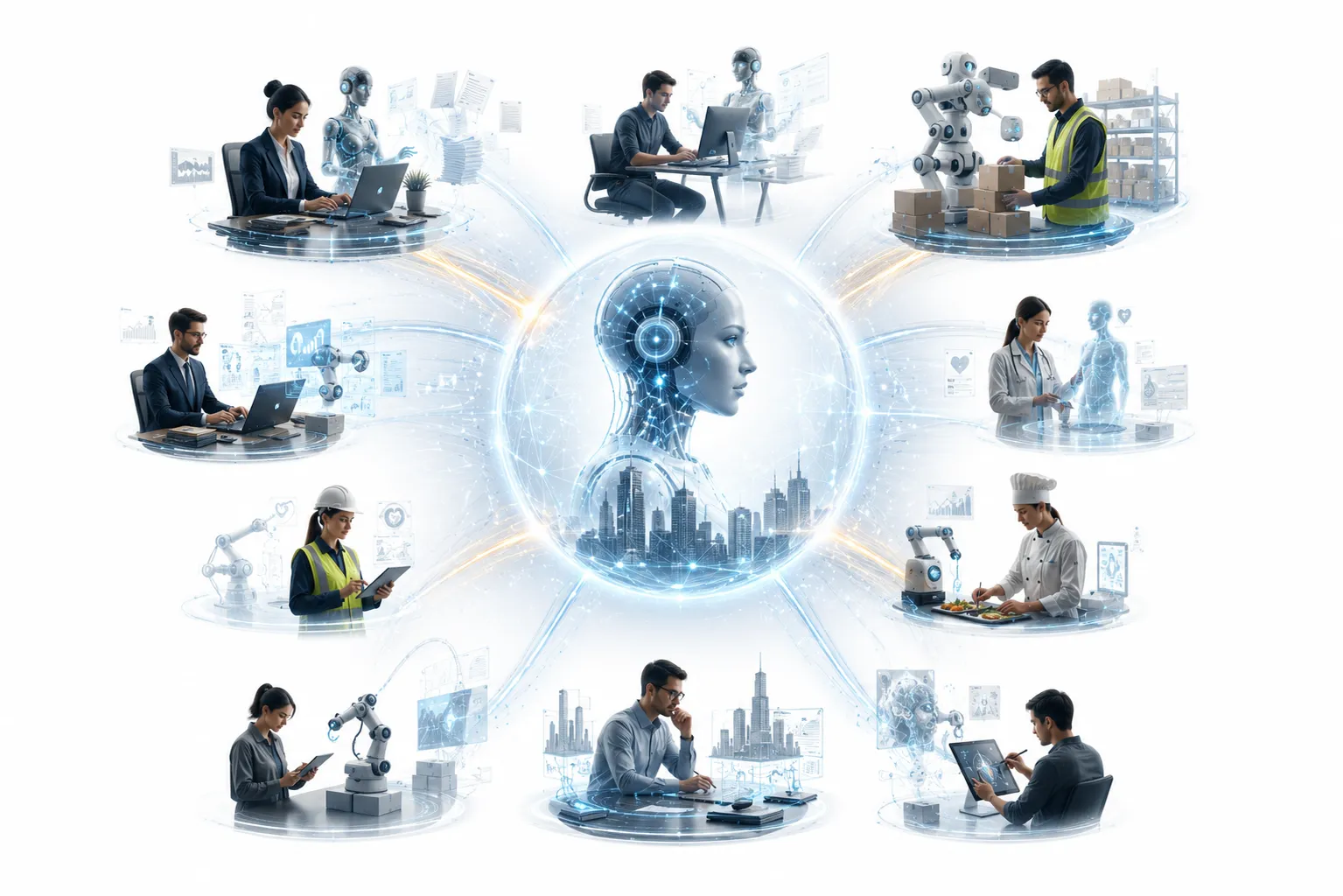
The highest-risk jobs are: data entry clerks, telemarketers, translators (basic), customer service reps, paralegals (routine work...
Read answer ->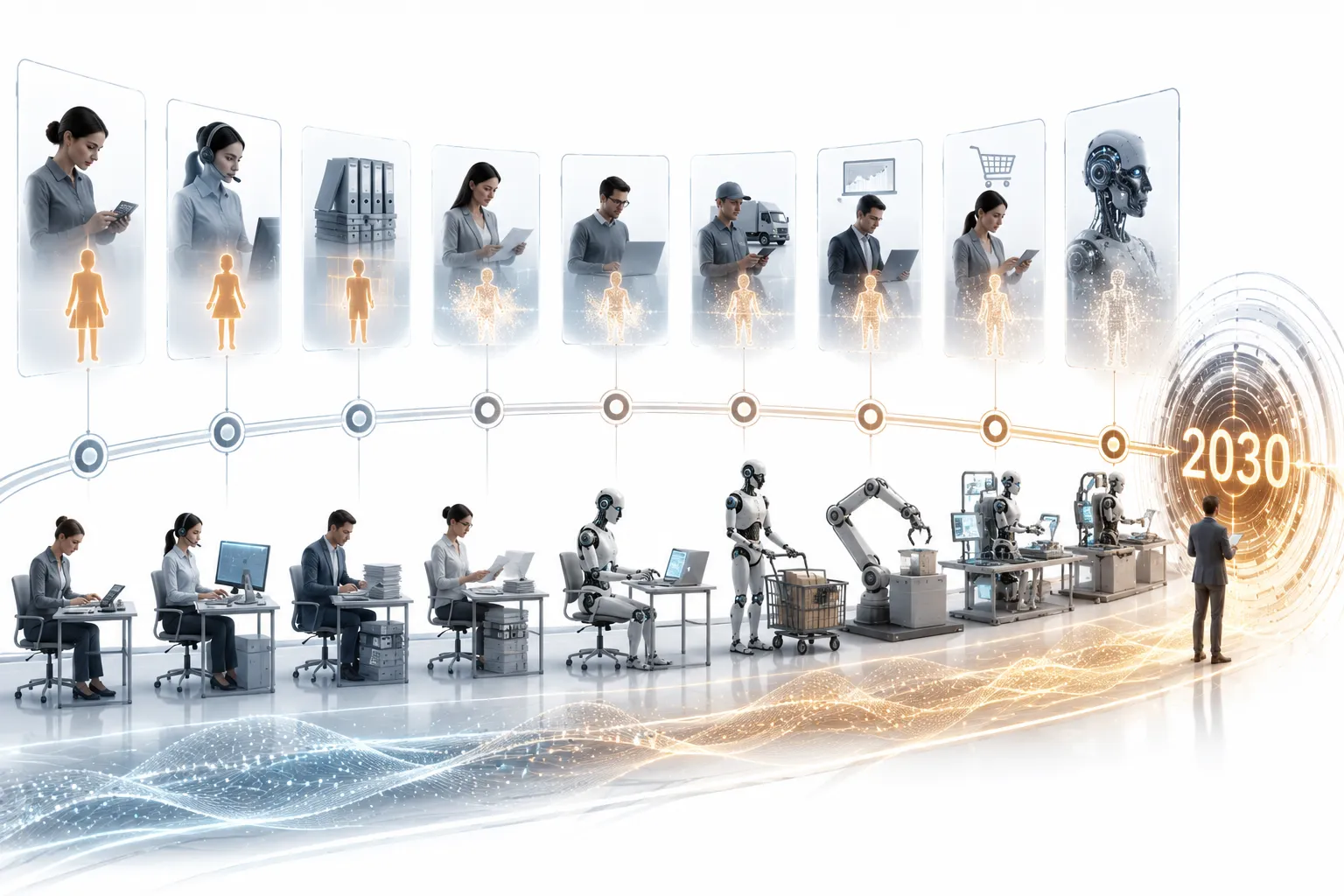
25 jobs facing complete elimination by 2030: Telemarketers, Data Entry Clerks, Cashiers, Bank Tellers, Fast Food Cooks (basic), T...
Read answer ->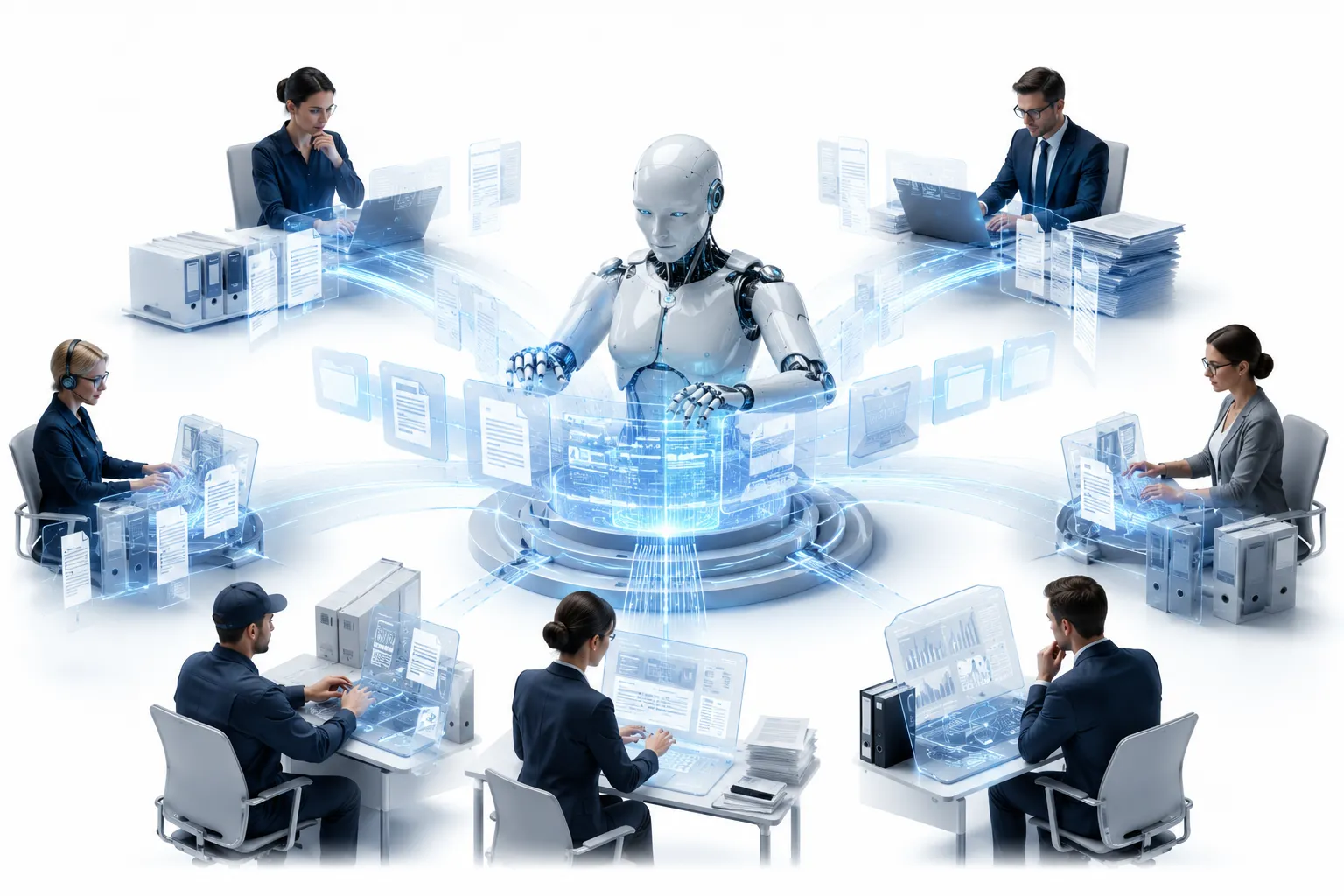
Complete extinction jobs include: telemarketers, data entry clerks, human translators (basic), travel agents, cashiers, bank tell...
Read answer ->
Three phases: 1) Panic sell-off (6-12 months) wiping 40-60% of AI company values, 2) Consolidation where 70-80% of AI startups di...
Read answer ->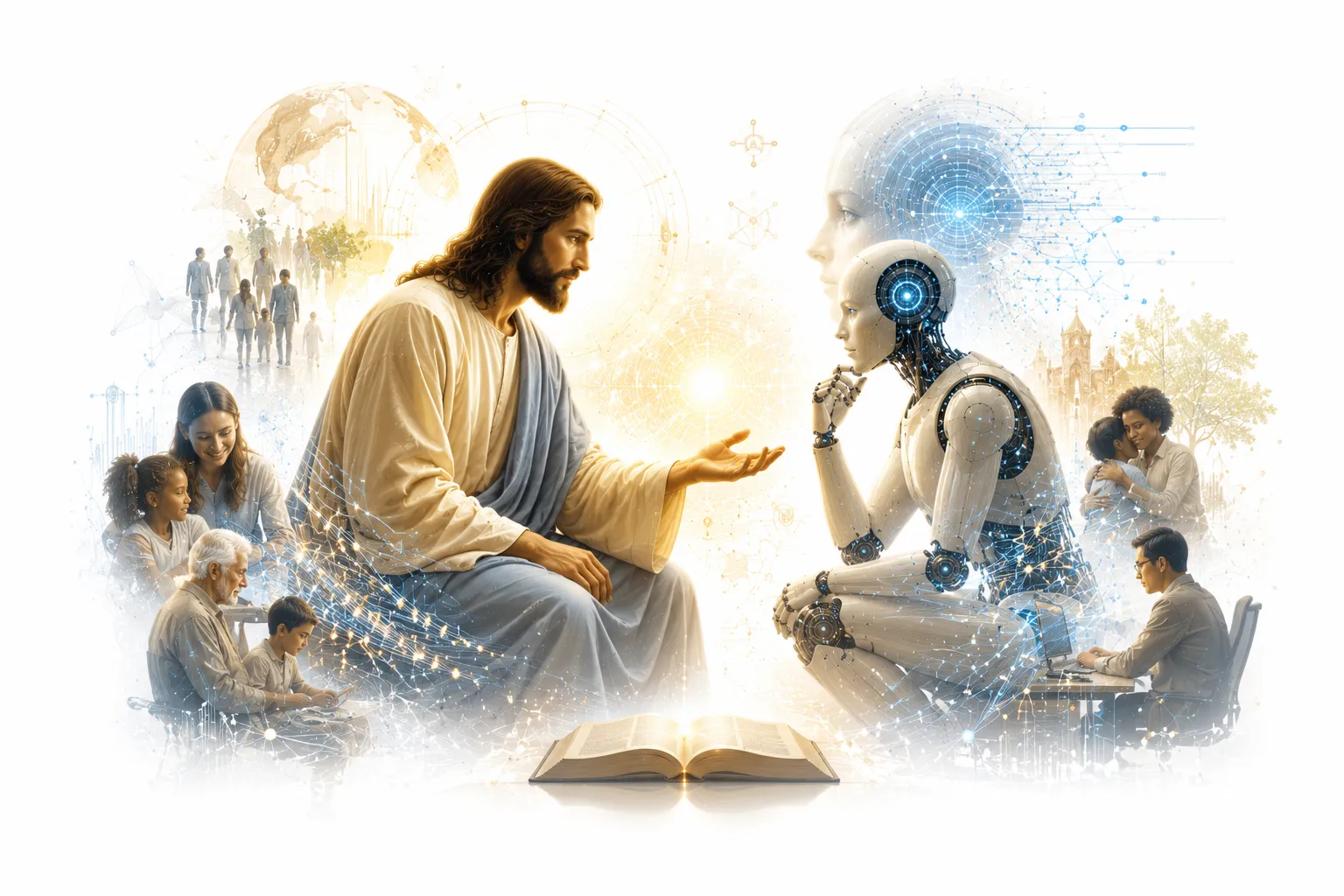
Drawing from Jesus' teachings: 1) Love your neighbor—AI should serve human flourishing, not replace human dignity. 2) Care for th...
Read answer ->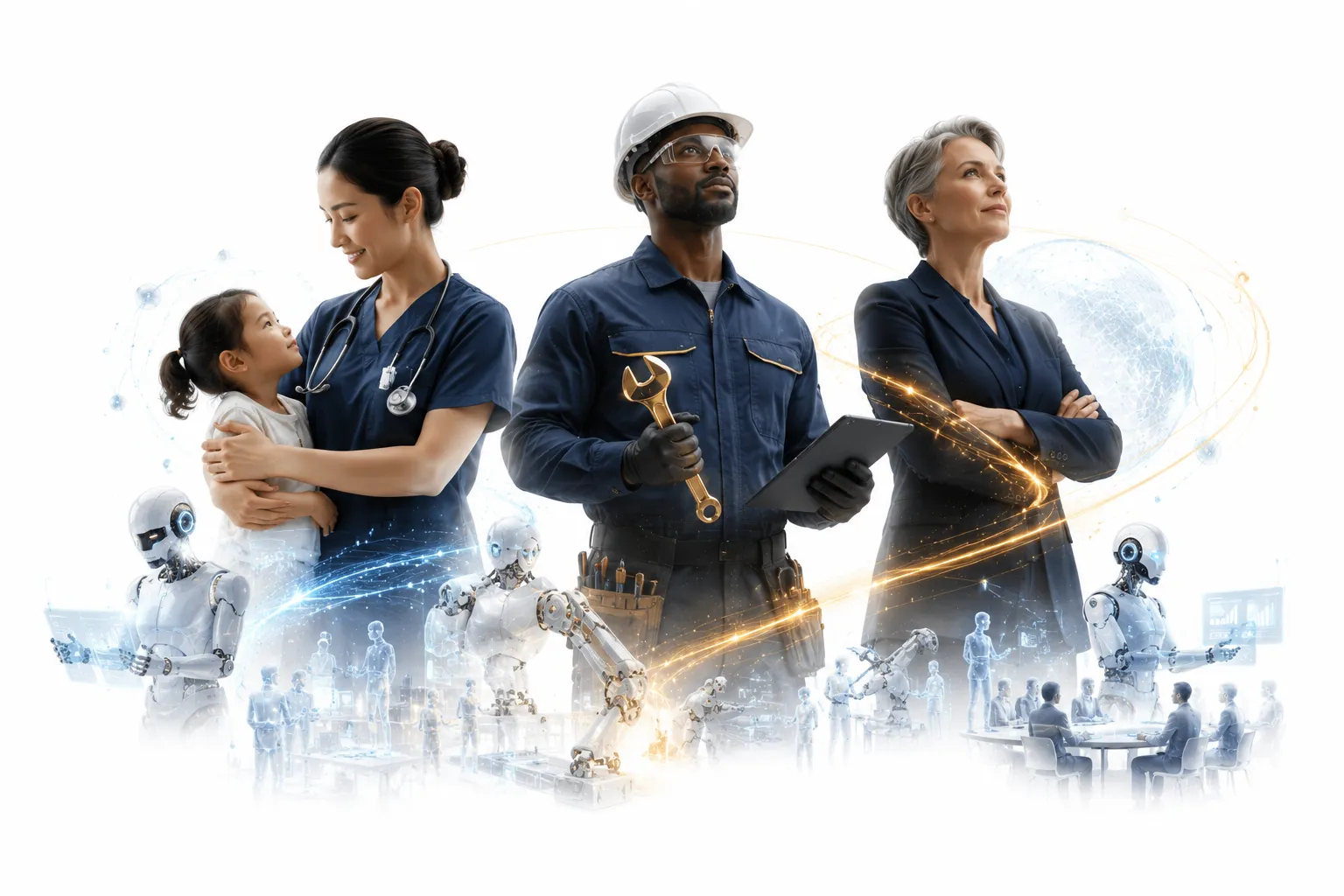
Jobs requiring genuine empathy, complex physical manipulation in unpredictable environments, and deep trust-based accountability—...
Read answer ->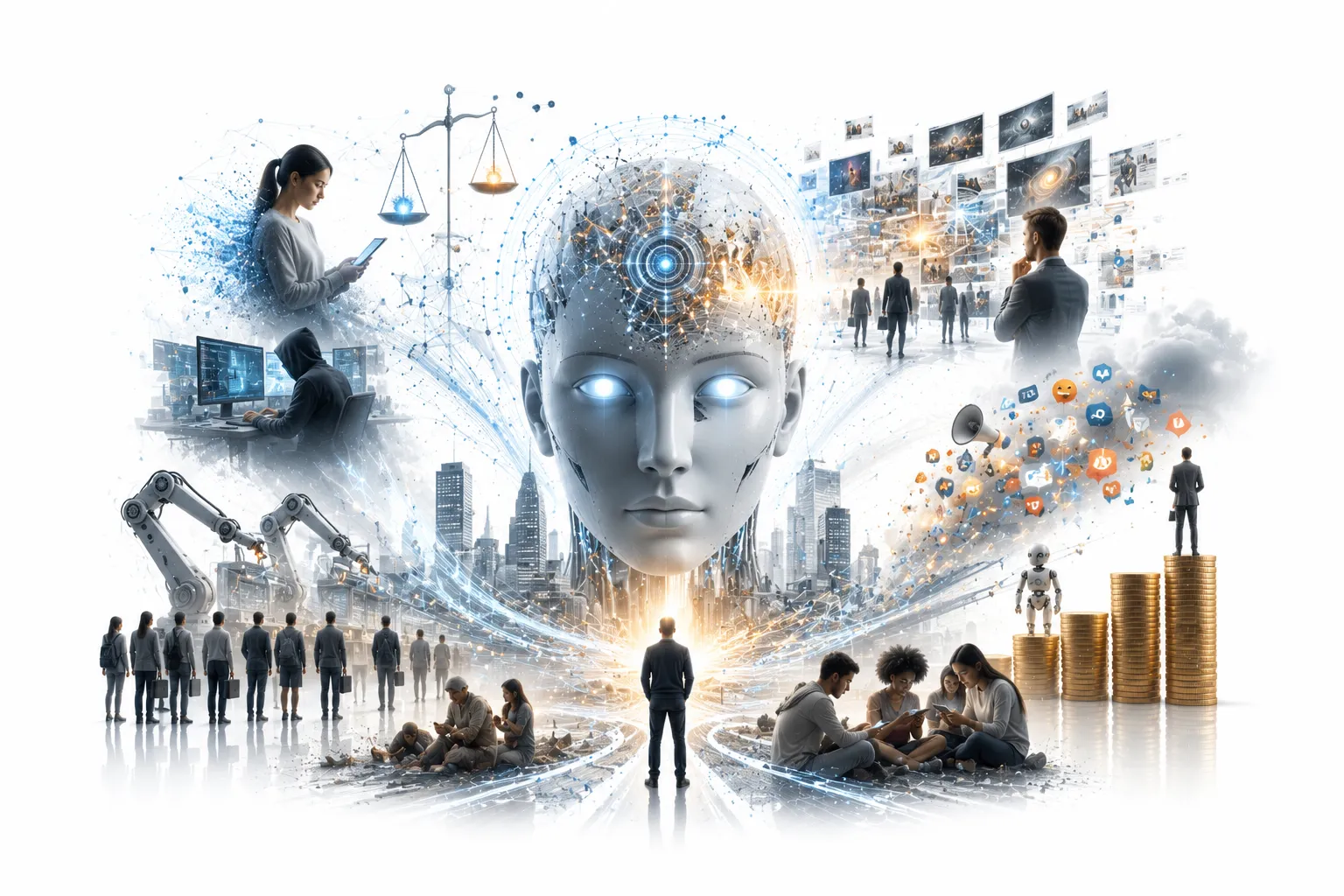
AI harms society through: 1) Disinformation—deepfakes, AI-generated propaganda, erosion of trust. 2) Economic inequality—job disp...
Read answer ->
AI harms the environment in three ways: 1) Energy consumption—training large models uses as much electricity as 100+ homes for a...
Read answer ->
Three structural forces: 1) AI is eliminating entry-level cognitive work (writing, research, data entry) that Gen Z traditionally...
Read answer ->
Partially. AI will replace routine accounting work including bookkeeping, data entry, and basic tax preparation. These face 40 to...
Read answer ->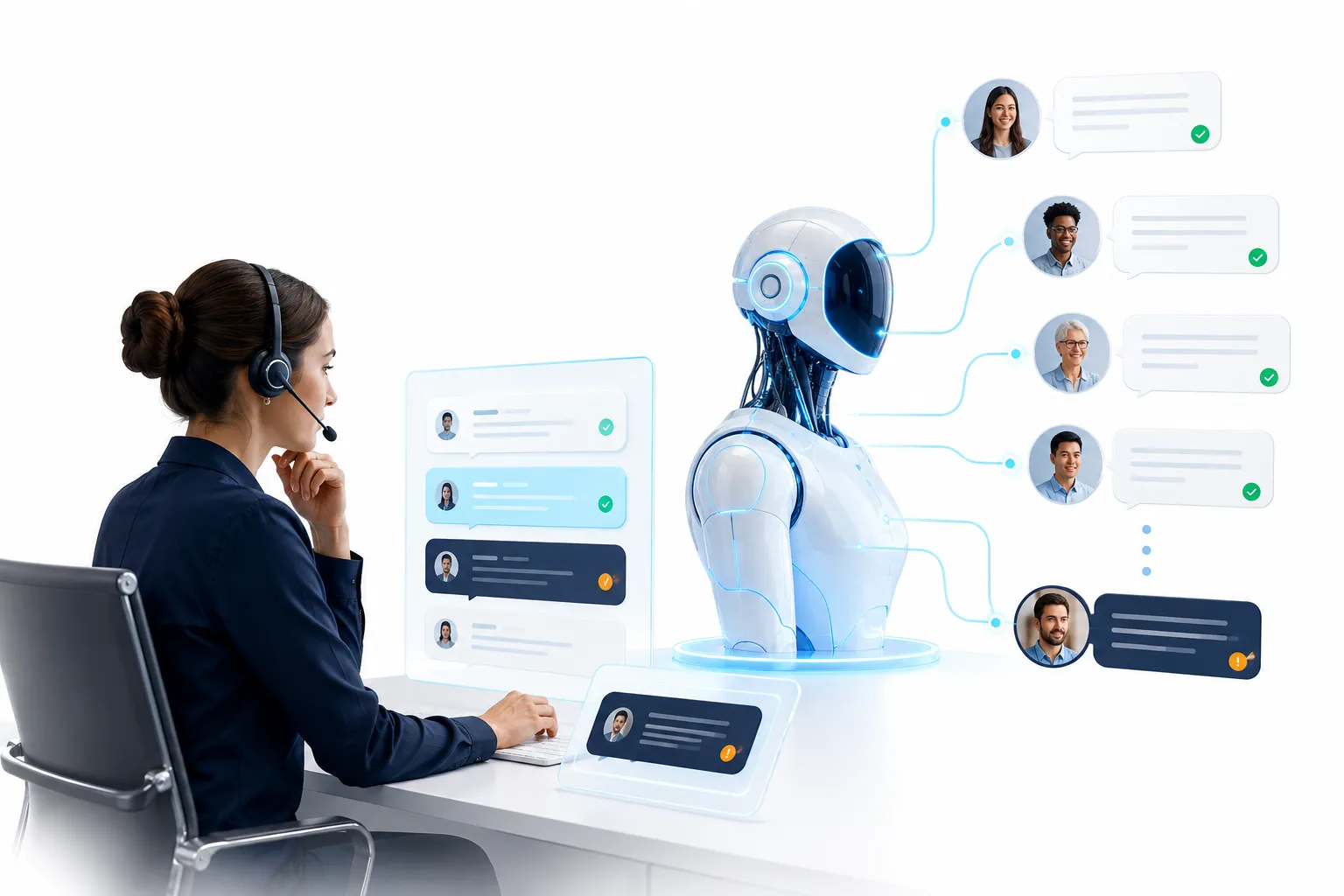
Yes, for tier 1 support. AI chatbots will replace 60 to 80 percent of basic customer service inquiries by 2030. Simple questions,...
Read answer ->
Yes—partially. AI will automate 50-70% of routine data tasks (cleaning, preparation, basic analysis, standard reporting) by 2030....
Read answer ->
Partially. AI will replace routine, formulaic design work like logo generation, social media graphics, and basic layout. These fa...
Read answer ->
No for most specialties. AI will not replace doctors, but it will transform medicine. AI excels at diagnosis, pattern recognition...
Read answer ->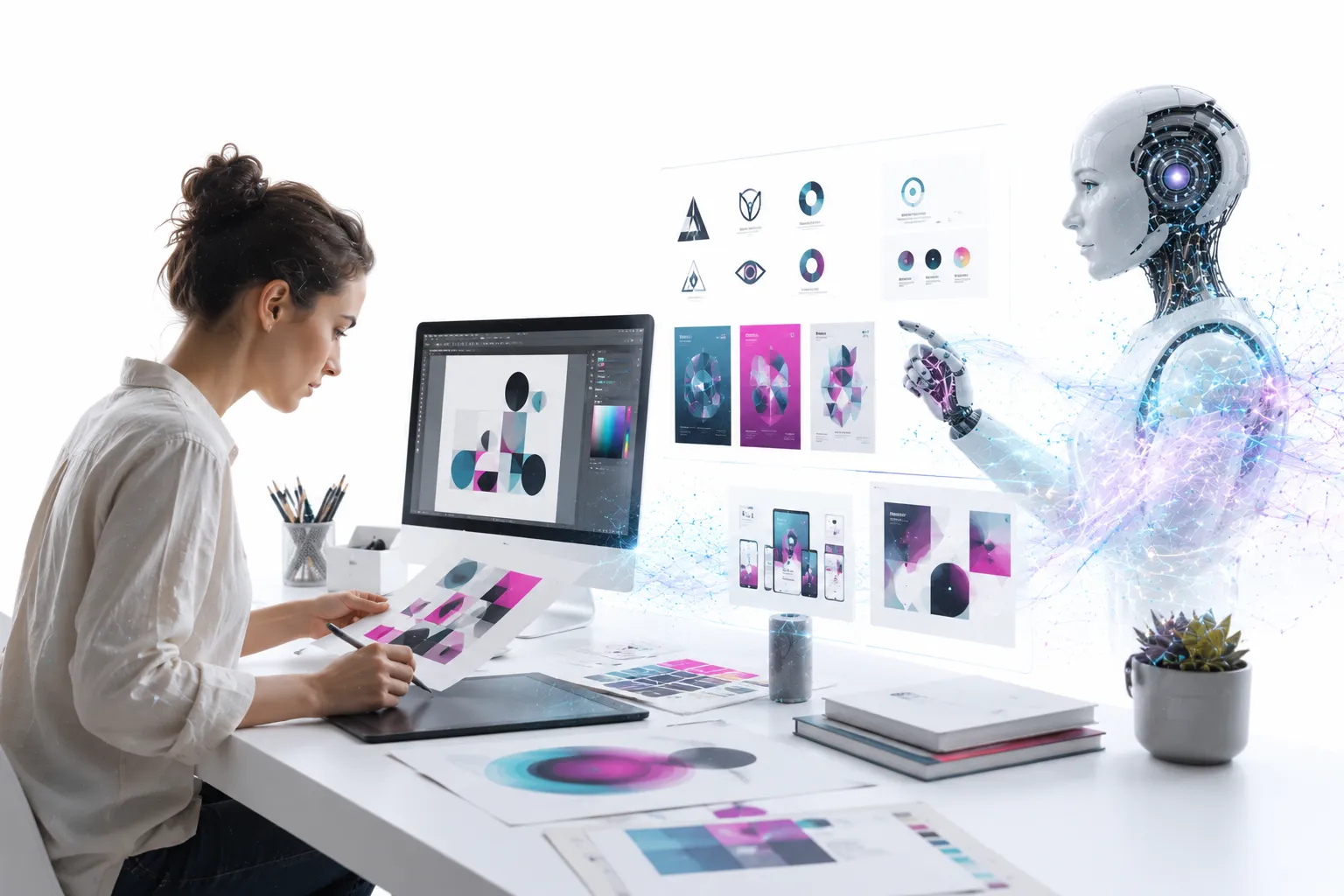
Partially. AI will replace routine, production graphic design work like basic layouts, social media graphics, and template design...
Read answer ->
No. AI will not replace lawyers. However, AI will automate 30 to 50 percent of legal work including document review, research, an...
Read answer ->
No. AI will not replace nurses. Nursing requires physical care, emotional support, clinical judgment, patient advocacy, and hands...
Read answer ->
No—AI will not fully replace programmers. However, AI will: 1) Automate 40-60% of routine coding tasks (boilerplate, debugging, t...
Read answer ->
Partly. AI will automate monitoring, threat detection, and data analysis—reducing need for some security roles by 30-50% by 2030....
Read answer ->
No—AI will not replace software engineers. However, AI will: 1) Automate 30-50% of coding tasks, 2) Increase engineer productivit...
Read answer ->
No. AI will not replace teachers. Teaching requires human connection, inspiration, mentorship, classroom management, and emotiona...
Read answer ->
Partially. AI will replace formulaic, routine writing like product descriptions, basic news articles, and SEO content. These face...
Read answer ->