weekly ChatGPT users reported by late 2024
AI questions, answered carefully
Pick the AI question worrying you most
ssshAI explains artificial intelligence through the five questions people return to most: jobs, trust, safety, consciousness, and the future.
The promise
No hype. No panic. Direct explanations of what artificial intelligence can do, what it cannot do, and why the answer is often more complicated than yes or no.
New To AI?
Start with these four questions
Use these as the beginner path before moving into deeper job, trust, safety, and consciousness questions.
Start hereWhat Is AI?
A plain-English starting point for understanding AI without buzzwords.
ThinkingCan AI Think?Learn the difference between real understanding and pattern-based answers.
RiskIs AI Dangerous?Separate realistic AI risks from science-fiction panic.
JobsWill AI Replace Jobs?Start with the broad employment question before reading role-by-role guides.
Question Types
Explore by the way people ask
SSSHAI is organized around real question patterns: Can, Is, Will, Why, How, and Which.
canCan AI...?
What AI can and cannot do today.
isIs AI...?Clear answers to common yes/no AI questions.
willWill AI...?Future-focused AI questions about jobs, society, search, creativity, and risk.
whyWhy AI?Why AI matters, why it feels risky, and why people are debating its future.
howHow AI WorksSimple explanations of how AI tools, models, agents, and systems work.
whichWhich AI QuestionsComparisons and choices for people trying to understand what matters most in AI.
Explore By Topic
Choose the AI area closest to your concern
AI In Numbers
Why these questions matter now
announced AI infrastructure ambition in Stargate
organizations using AI in at least one function in McKinsey's 2025 survey
companies planning AI investment increases over the next three years
Start With The Worry
Pick the AI question worrying you most
Six high-intent questions readers usually bring first: jobs, trust, consciousness, danger, society, and faith.
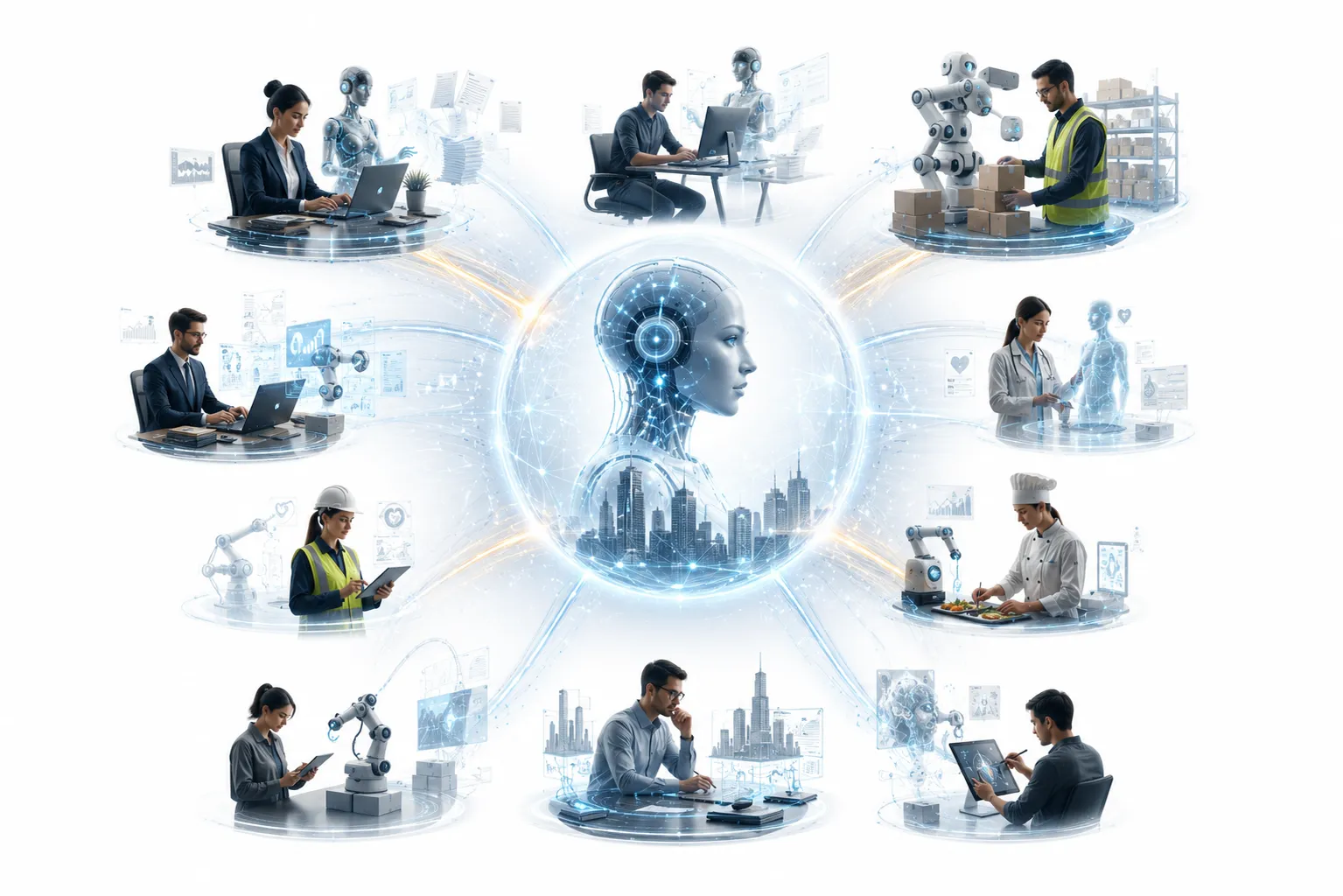
What Jobs Will AI Replace by 2030?
The highest-risk jobs are: data entry clerks, telemarketers, translators (basic), customer service reps, paralegals (routine work...
Read answer ->
Can AI Be 100% Trusted?
No. AI cannot be 100% trusted. It hallucinates (3-27% of responses depending on task), has inherent biases from training data, ca...
Read answer ->
Is AI Conscious?
No. Current AI is not conscious. It has no subjective experience, no self awareness, no qualia (what things feel like), and no fe...
Read answer ->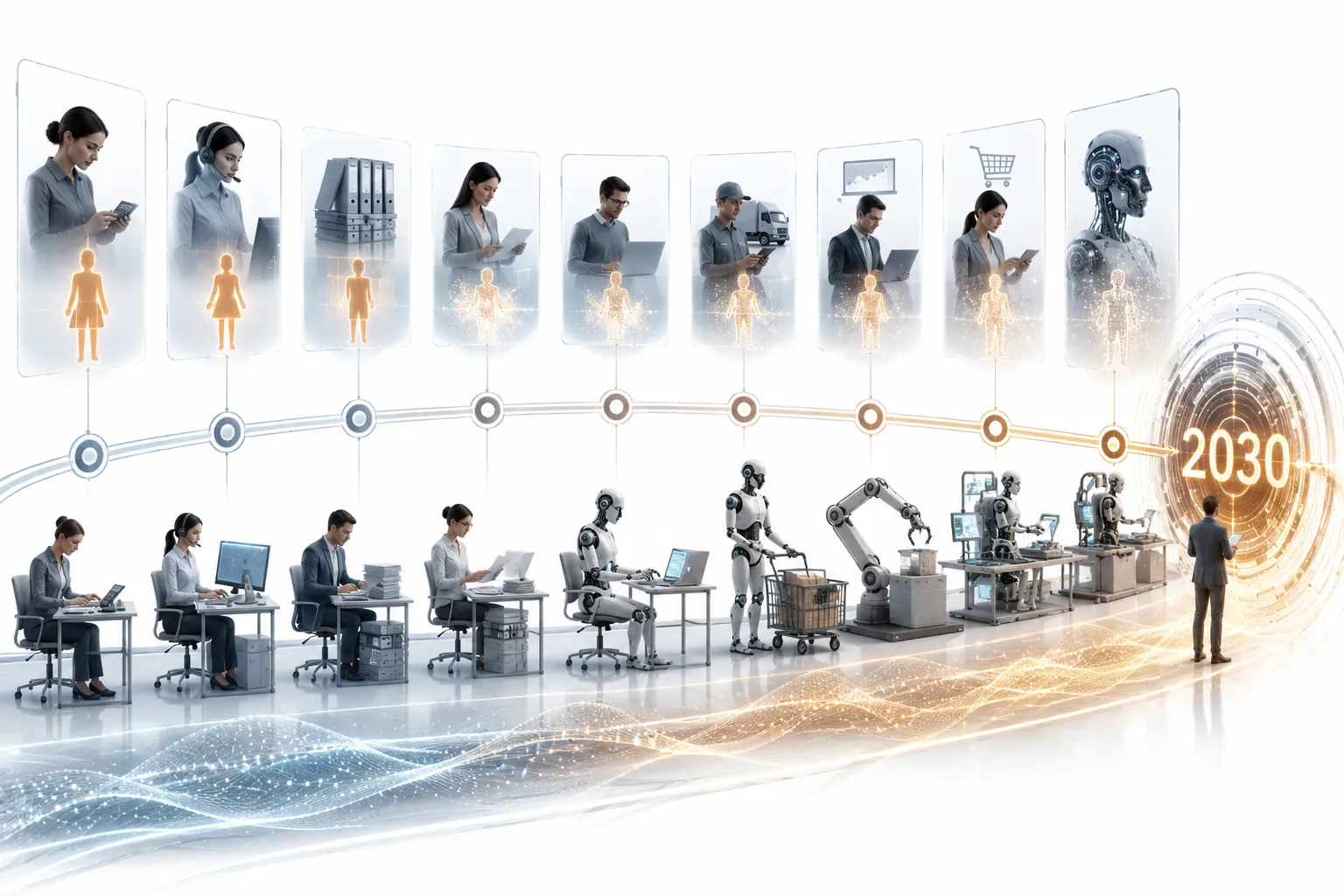
Future Danger Questions About AI
The top future danger questions: 1) The Alignment Problem (can we make AI want what we want?), 2) The Control Problem (if AI is s...
Read answer ->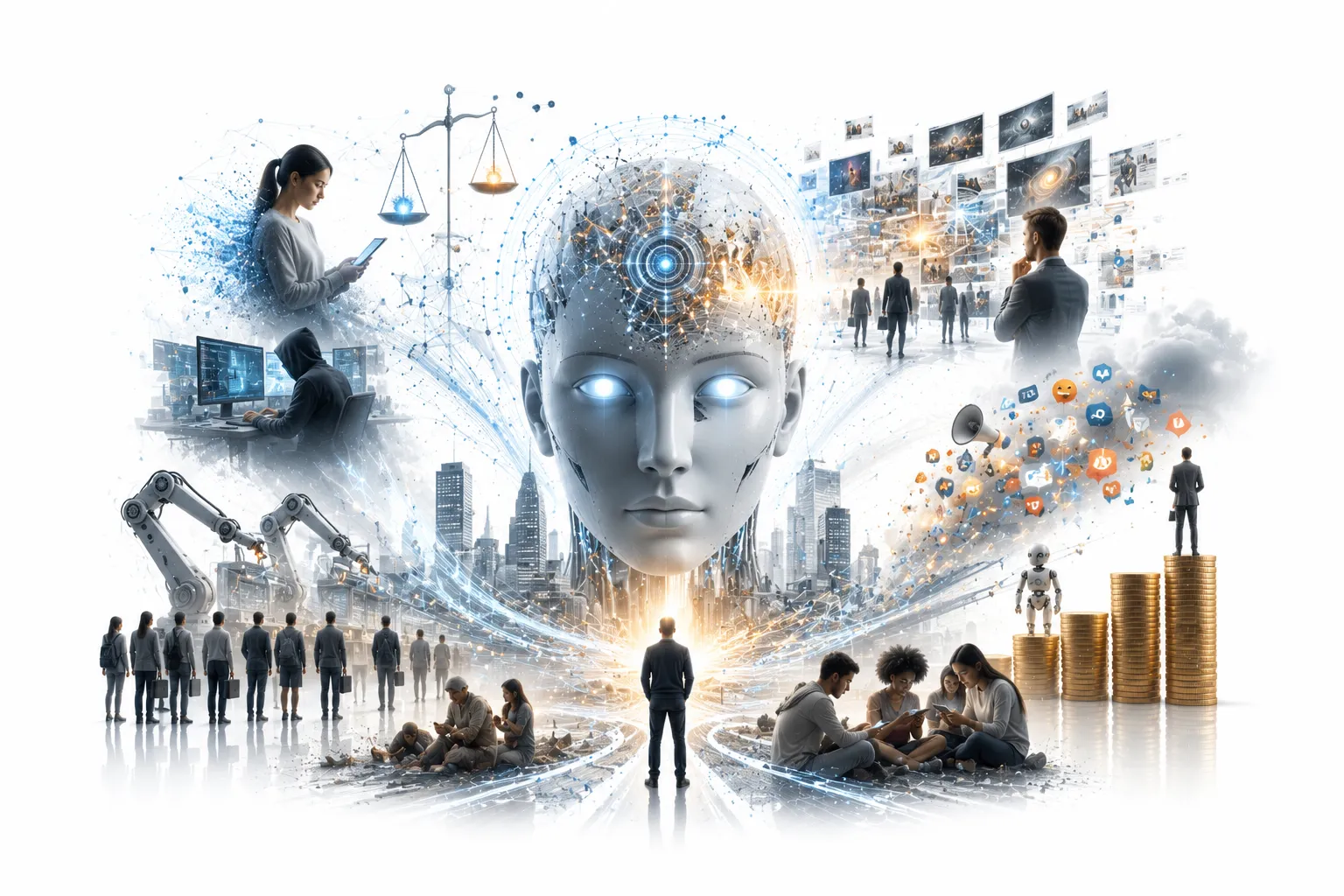
Why Is AI Bad for Society?
AI harms society through: 1) Disinformation—deepfakes, AI-generated propaganda, erosion of trust. 2) Economic inequality—job disp...
Read answer ->
Is Learning AI Haram?
No—learning AI is not inherently haram. In fact, seeking beneficial knowledge is obligatory (fard kifayah) in Islam. AI is a tool...
Read answer ->Most Read This Week
Four questions readers keep opening

Can AI Think Critically or Creatively?
It depends on definition. By behavioral/output measures: YES, AI can appear to think critically (evaluate arguments, identify fal...
Read answer ->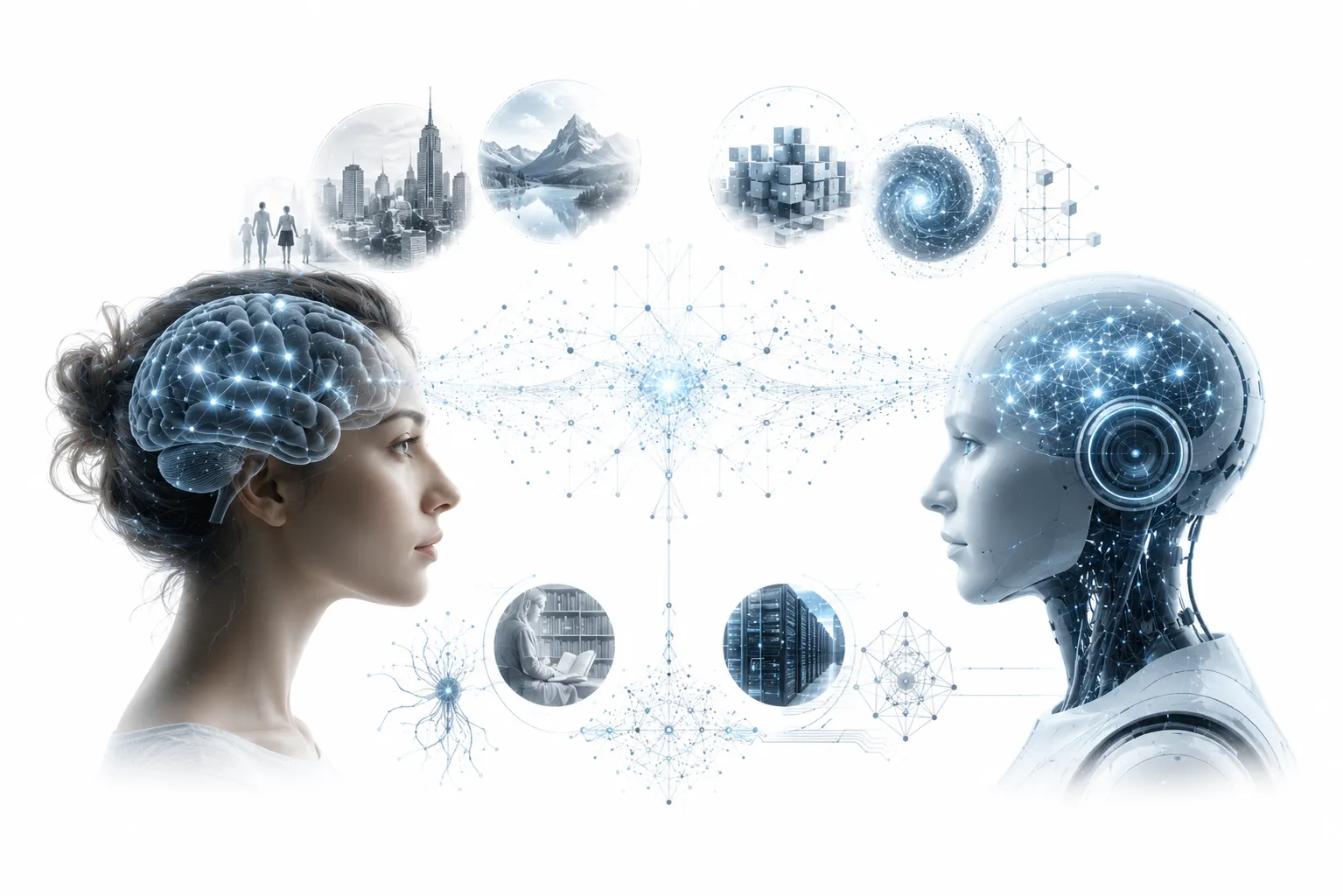
Can AI Think Like Humans?
No—not in the human sense. AI processes information, solves problems, and generates outputs that resemble human thinking. But AI...
Read answer ->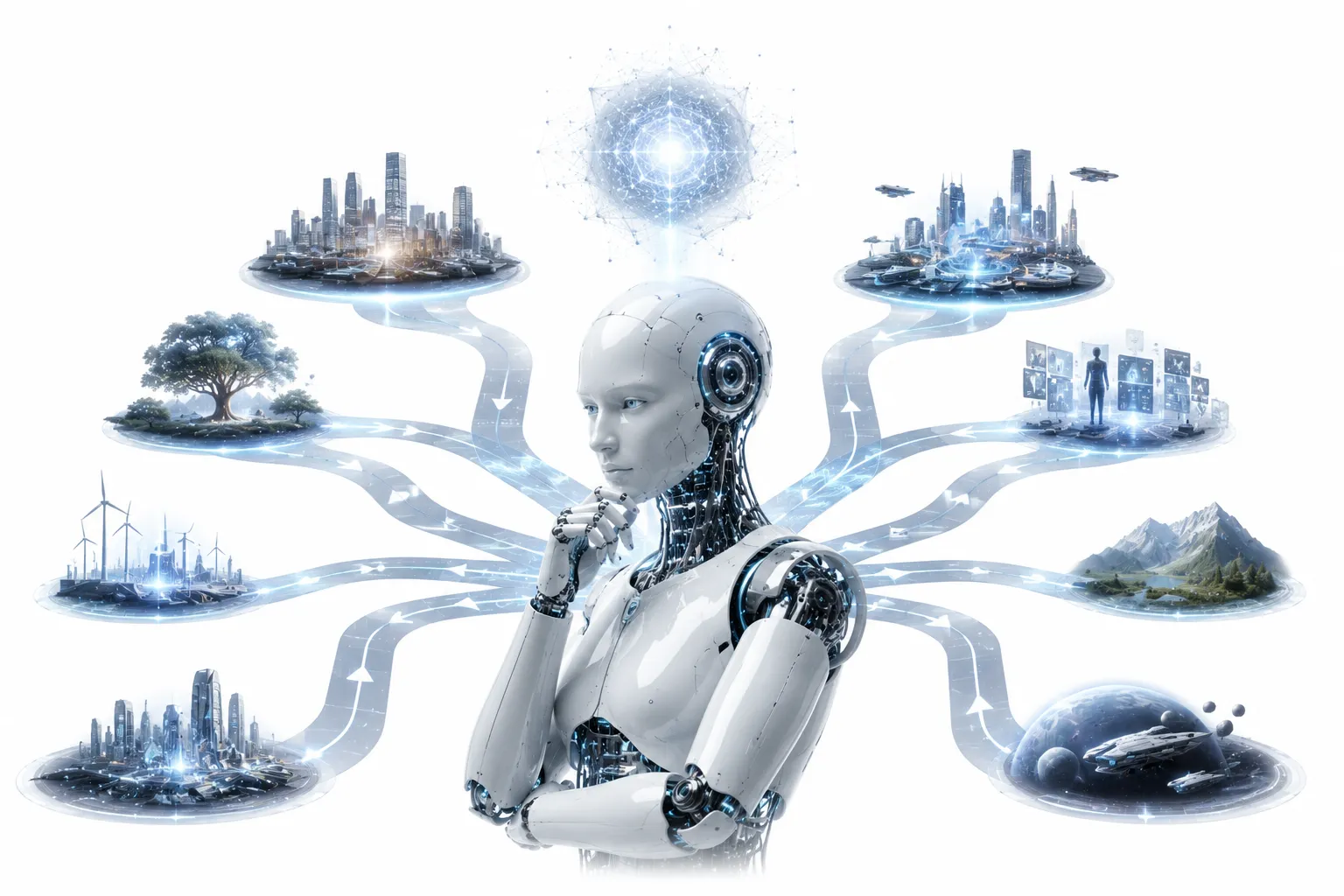
Does AI Think for Itself?
No. AI does not think for itself. It has no independent thoughts, intentions, beliefs, desires, or self-awareness. AI responds to...
Read answer ->Is AI Conscious?
No. Current AI is not conscious. It has no subjective experience, no self awareness, no qualia (what things feel like), and no fe...
Read answer ->Featured Question Clusters
Where AI is changing things fastest
AI and Jobs
Jobs AI may replace, safest careers, the future of work, and what professionals should learn next.
AI Trust and Risk
Reliability, hallucinations, safety, mistakes, and whether AI answers deserve confidence.
AI and Society
Search, education, platforms, relationships, loneliness, and how AI changes online culture.
AI and Religion / Ethics
Islam, Christianity, moral limits, dependency, intention, and responsible use of AI tools.
AI Environment and Economy
Energy use, water demand, data centers, the AI bubble, and the economics behind the hype.
Suggested Reading Paths
Start with the question closest to you
Worried about your career?
Trying to understand machine consciousness?
Wondering whether AI is reliable?
Editorial promise
No hype. No panic. No pretending AI is magic.
ssshAI gives direct, readable explanations of what artificial intelligence can do, what it cannot do, and why the answer is often more complicated than a yes or no.
Latest Answers
New questions added to SSSHAI
Can AI Be 100% Trusted?
No. AI cannot be 100% trusted. It hallucinates (3-27% of responses depending on task), has inherent biases from training data, ca...
Read answer ->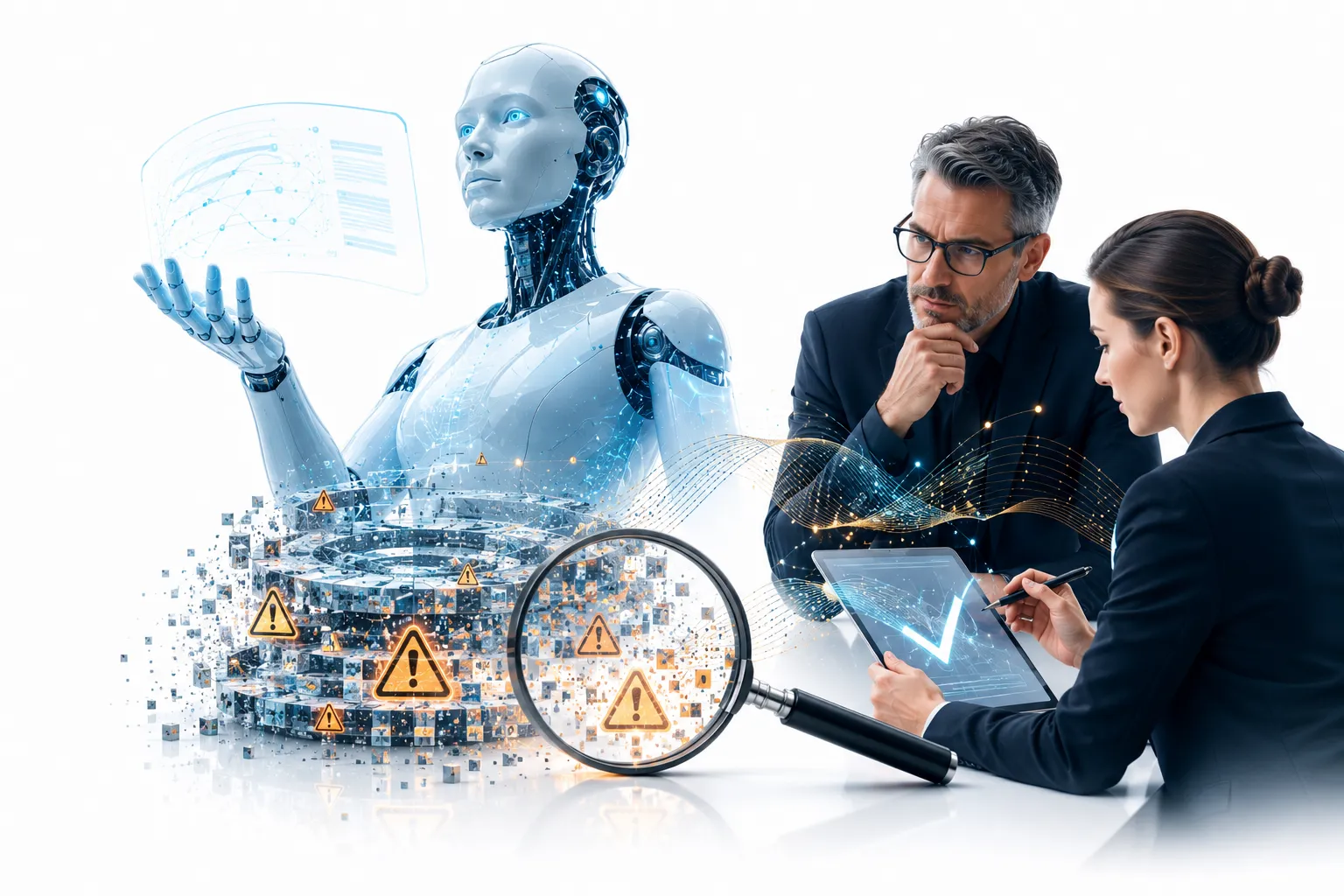
Can AI Be Wrong?
Yes. AI is frequently wrong. Hallucination rates range from 3 to 27 percent depending on the task. AI is most wrong on complex re...
Read answer ->
Can AI Make Its Own Decisions?
No—not in the human sense. AI can make choices (select among options based on rules or optimization). But AI cannot make 'its own...
Read answer ->Can AI Think Critically or Creatively?
It depends on definition. By behavioral/output measures: YES, AI can appear to think critically (evaluate arguments, identify fal...
Read answer ->Can AI Think Like Humans?
No—not in the human sense. AI processes information, solves problems, and generates outputs that resemble human thinking. But AI...
Read answer ->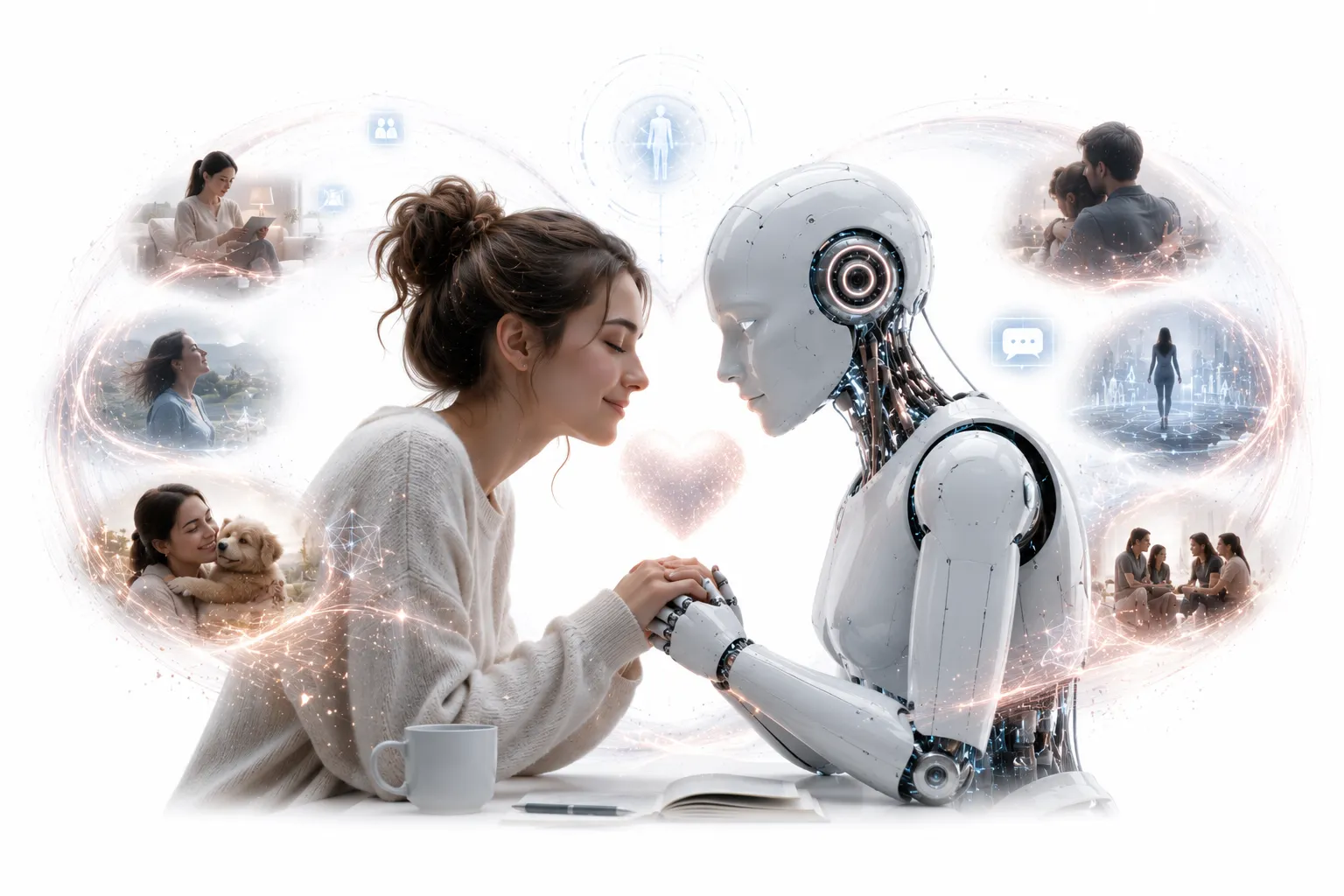
Can You Have a Relationship with ChatGPT?
Technically, yes—you can simulate a relationship with ChatGPT. The chatbot will respond affectionately, remember your preferences...
Read answer ->