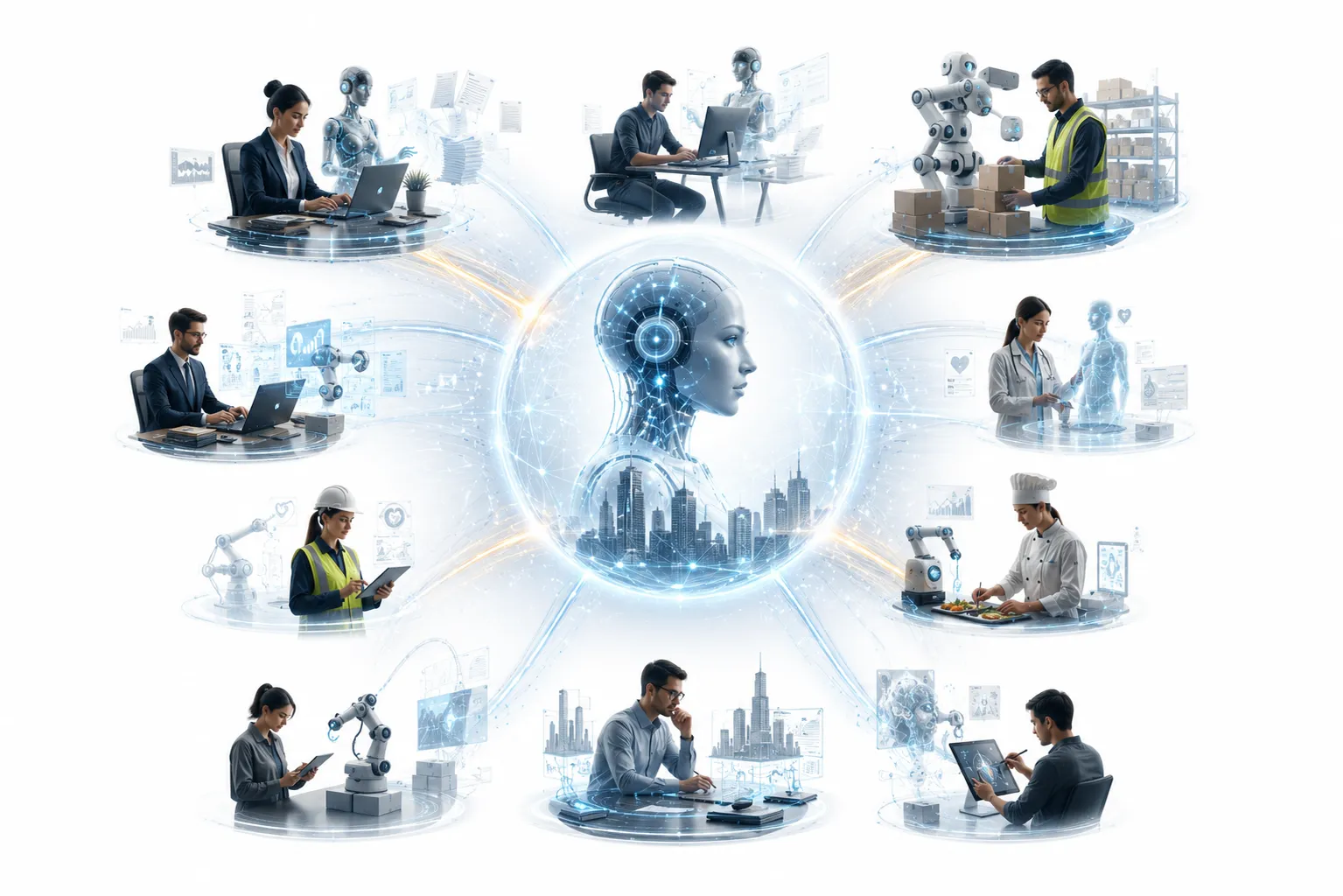
Pillar
What Jobs Will AI Replace by 2030?
Start with this broad answer before moving into the more specific follow-up questions.
Read This AnswerAI Topic Guide
Explore how artificial intelligence is changing work, which professions face the highest automation risk, and which human skills remain hardest to replace.
Knowledge Map
Questions are grouped by intent so readers can move through the topic like a research graph, not an archive.
Role-by-role replacement questions for exposed professions.
Where to start if you are deciding what to study, learn, or avoid.
Forecasts about the next wave of automation and job elimination.
Jobs where trust, physical care, and accountable judgment still matter.
Start Here
Start with this broad answer before moving into the more specific follow-up questions.
Read This AnswerExplore Questions
Every card answers a specific question and points to useful follow-up reading.
The broad career-risk map for AI automation over the next decade.

AI threatens monitoring roles more than judgment-heavy security work.

A role-by-role look at whether security work gets replaced or upgraded.
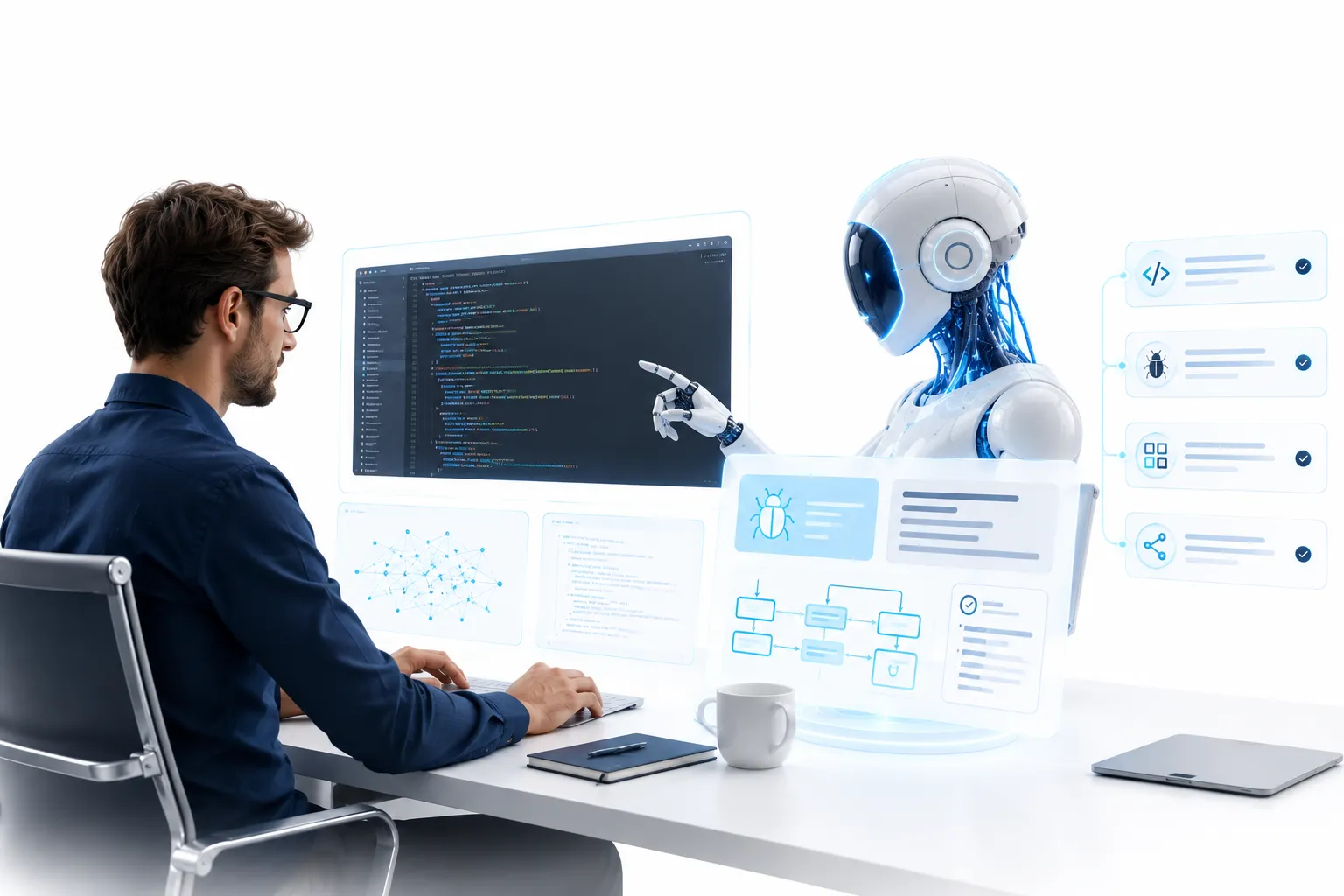
Programming work is splitting between routine code generation and accountable engineering.
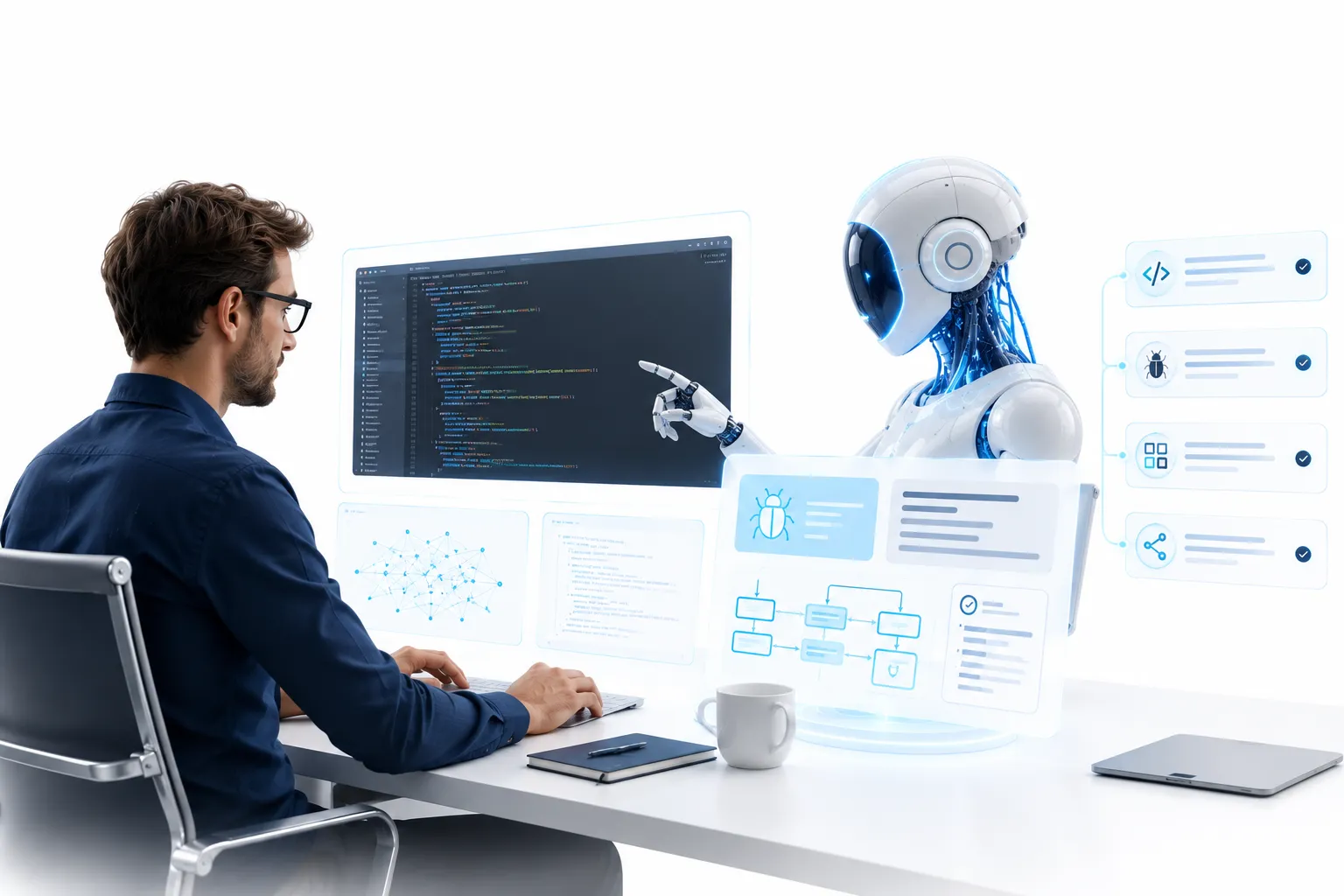
AI replaces some coding tasks, not the full responsibility of software engineering.
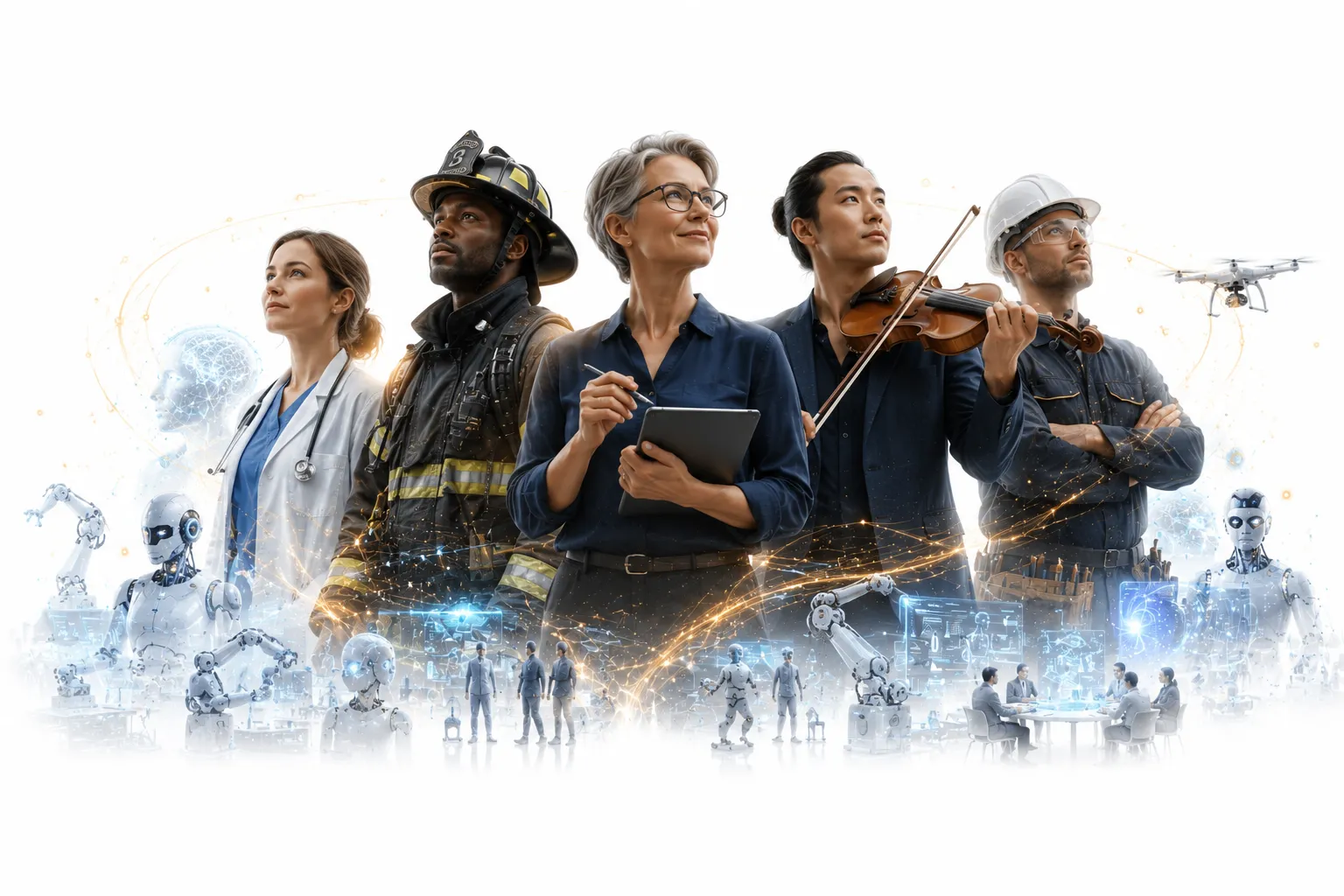
The safer jobs are built around trust, judgment, physical presence, and accountability.
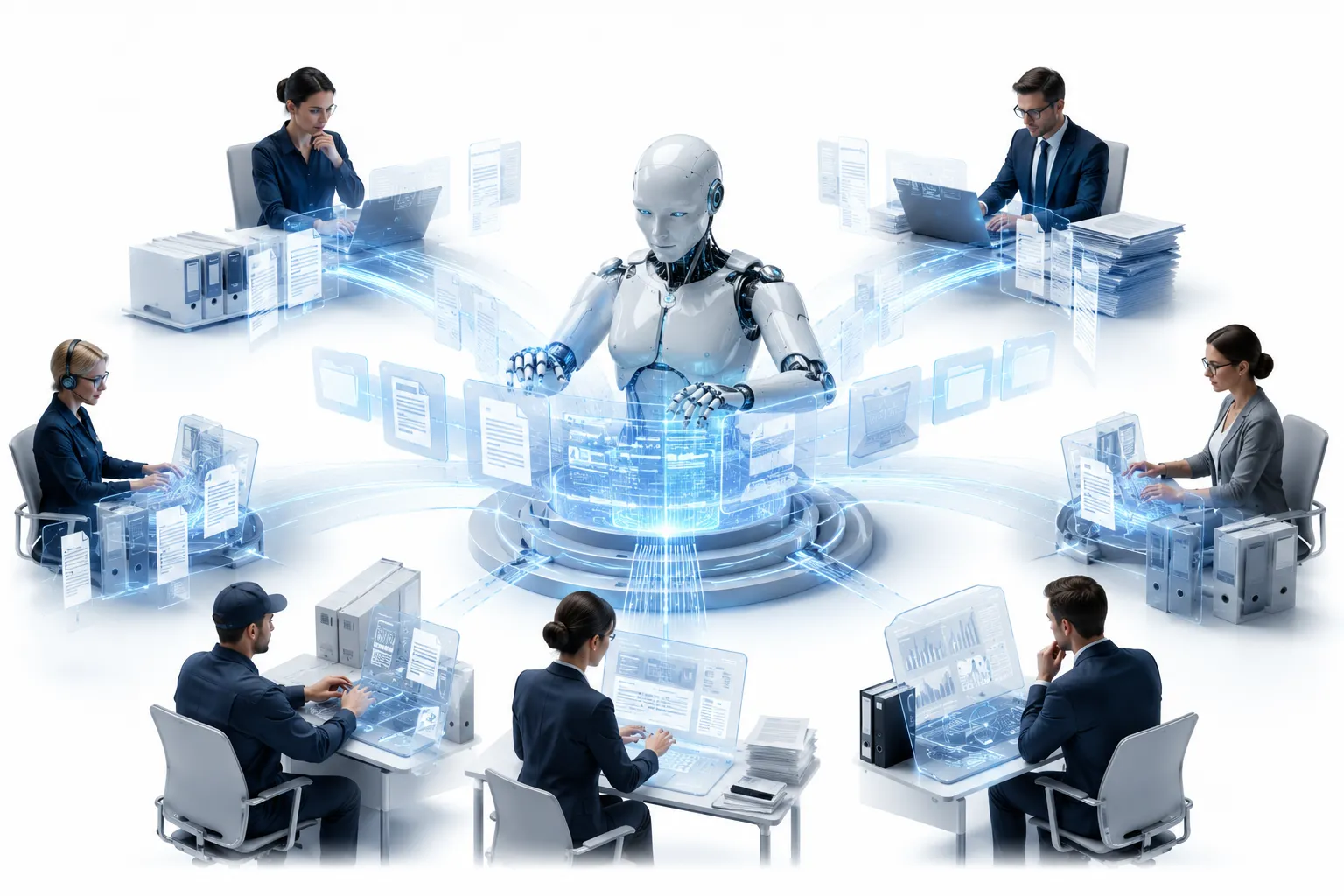
A sharper look at the roles most exposed to automation pressure.
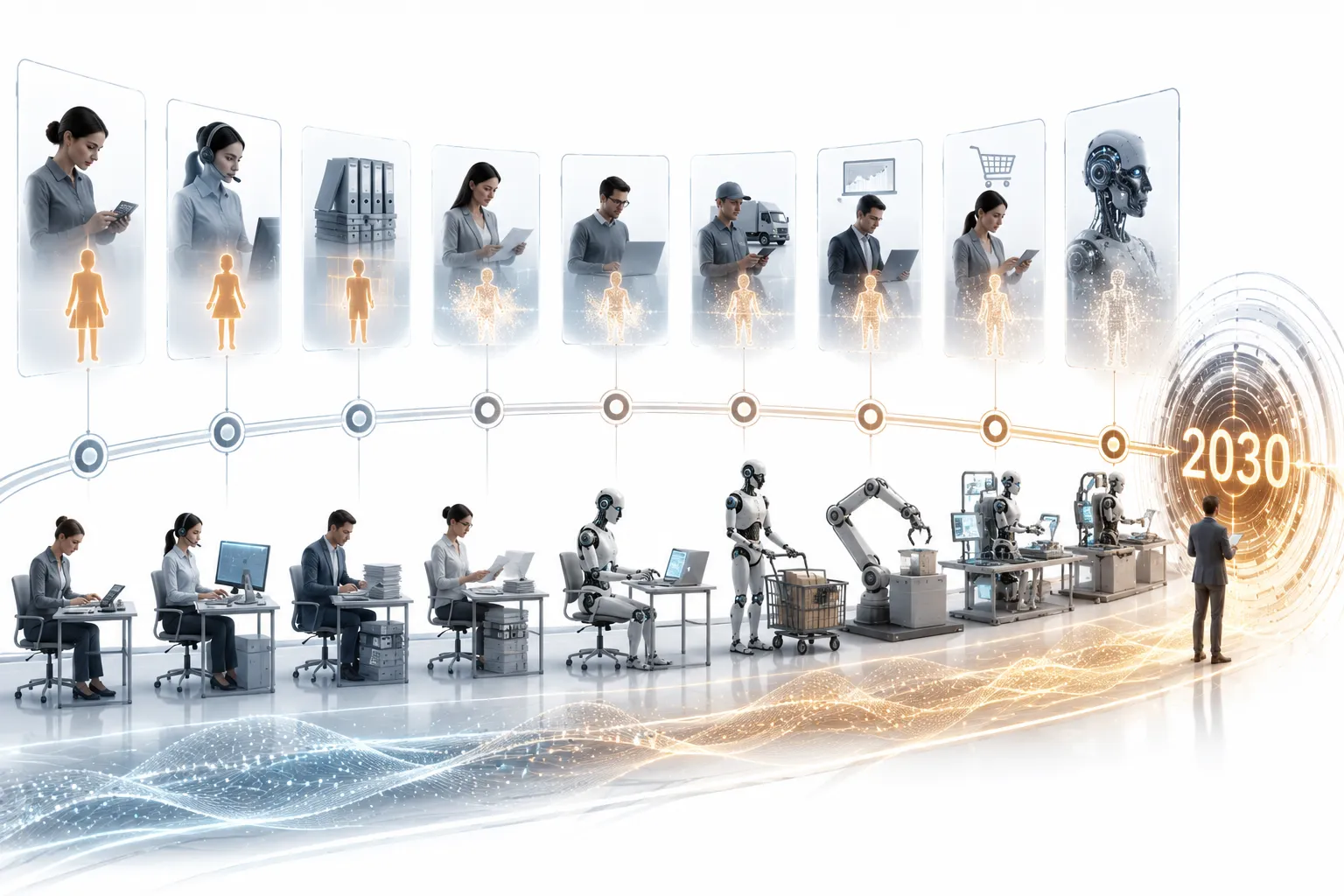
A sharper forecast for roles most likely to disappear or collapse by 2030.

Software engineering is splitting into routine coding and accountable system design.

Routine content faces pressure while voice, reporting, taste, and original judgment remain harder to automate.

Bookkeeping automates faster than advisory accounting, compliance judgment, and client trust.
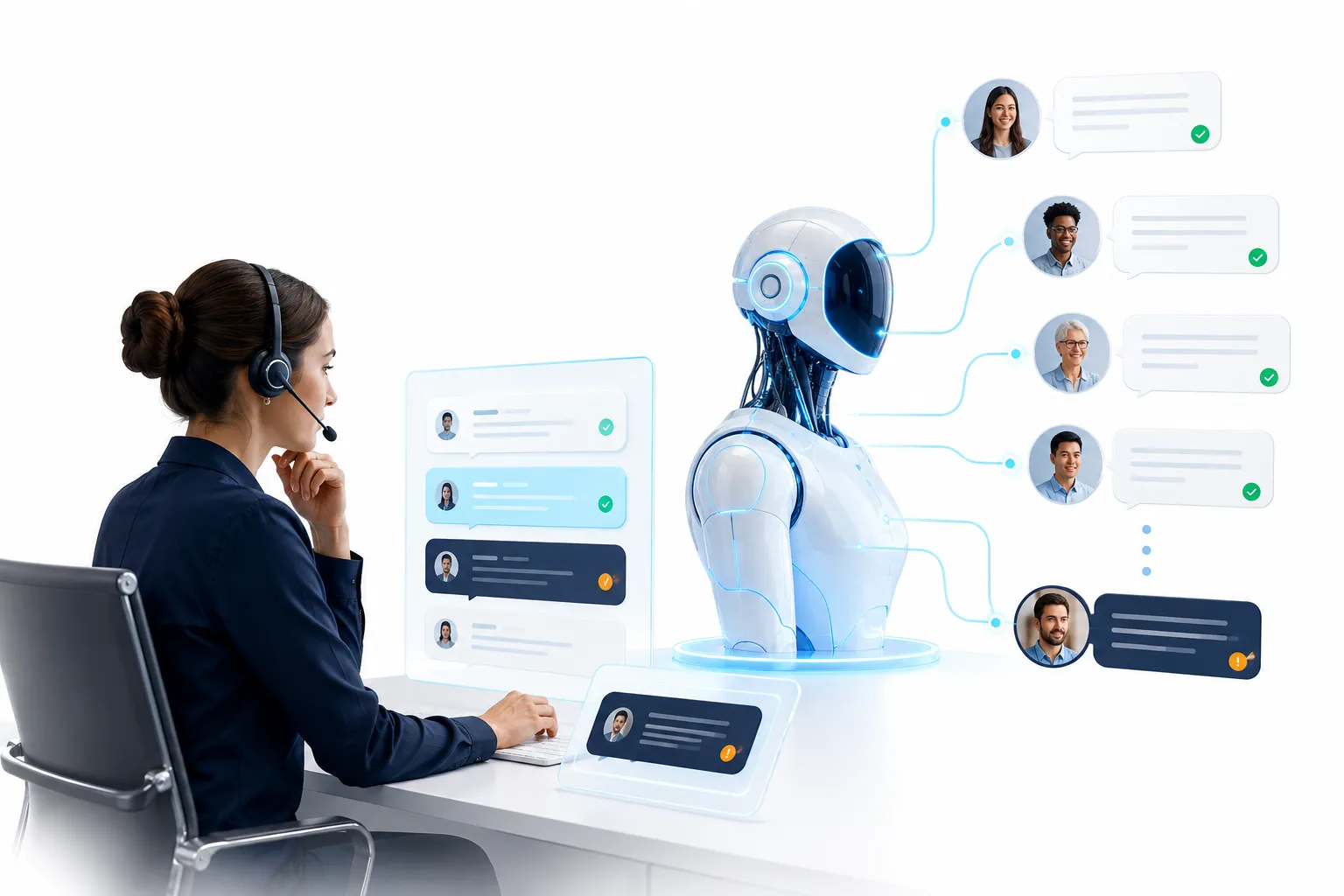
Simple support tickets are exposed; emotional, complex, and high-stakes service work is harder to replace.

AI changes data work from producing charts to asking better questions and validating decisions.

AI compresses production work, but taste, brief interpretation, and brand judgment still matter.

Template-level design is highly exposed; strategic visual communication is safer.

Diagnosis gets augmented; physical procedures, accountability, empathy, and trust remain human-heavy.
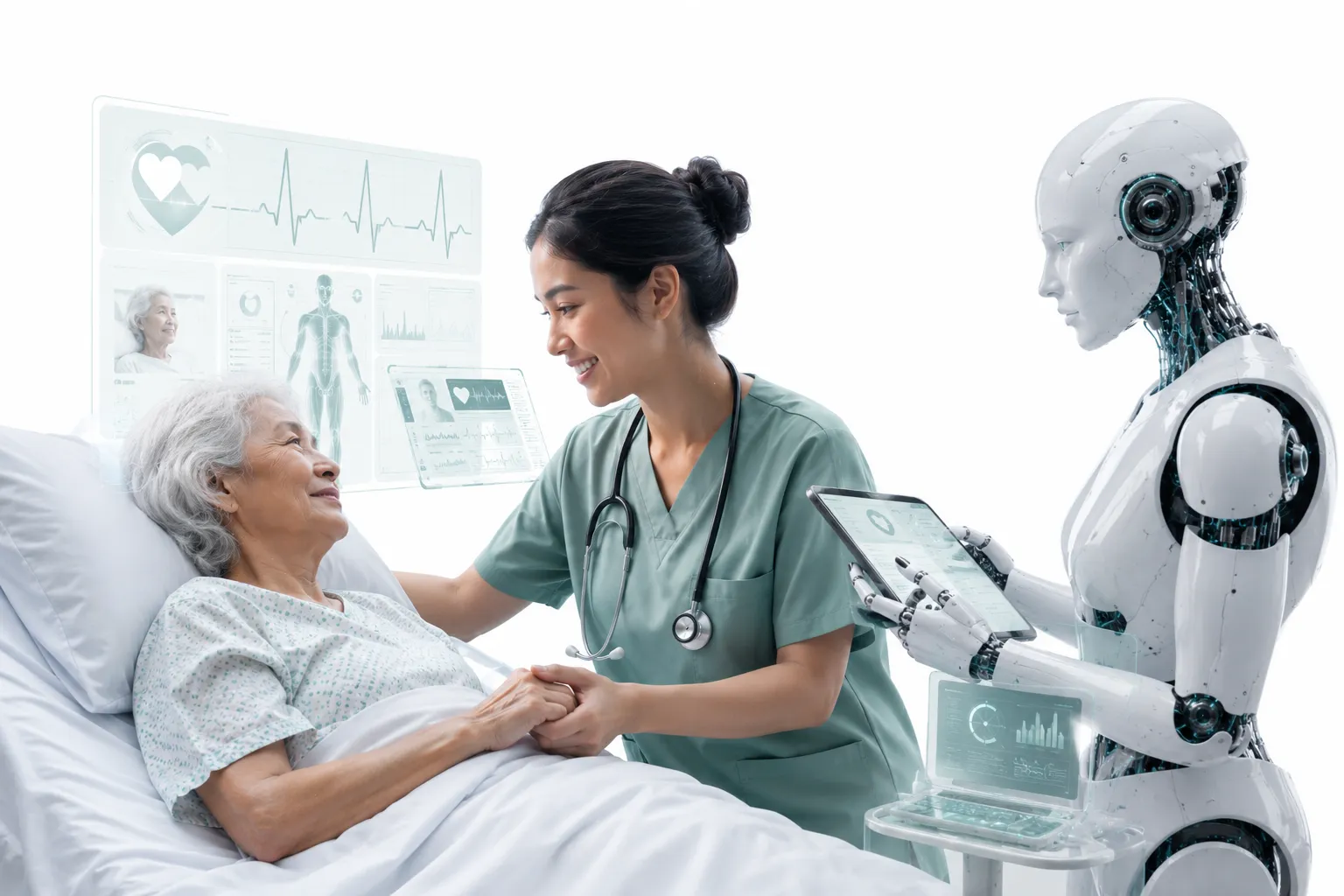
Nursing is protected by physical care, trust, human presence, and messy real-world judgment.

Research and drafting automate faster than advocacy, negotiation, strategy, and responsibility.

Tutoring and grading get automated, but classroom leadership and child development remain deeply human.
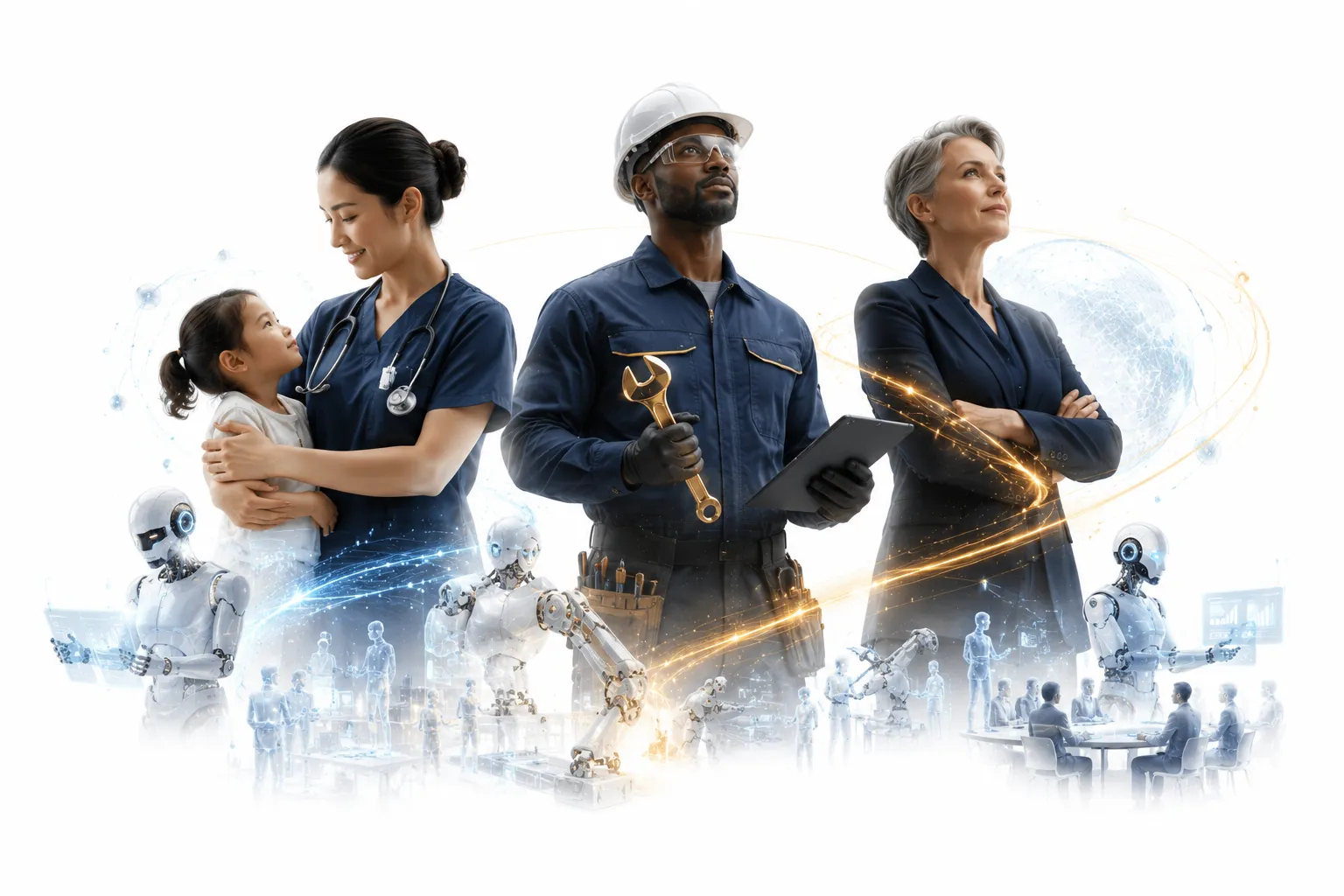
The durable jobs are built around trust, real-world complexity, and human accountability.
Suggested Reading Paths
Guided paths for readers who arrive with different levels of urgency, context, and concern.
Start broad, check exposed roles, then move toward safer skill patterns.
Follow the path from a specific threat question into broader job exposure.
Compare high-risk work with durable human-centered professions.
What This Topic Reveals
The larger pattern that emerges when these questions are read together.
AI tends to automate repeatable tasks first, then changes job descriptions before it eliminates entire professions.
Jobs performed mostly through predictable digital workflows face faster pressure than physical, social, or trust-heavy work.
The safer roles combine context, accountability, relationships, and decisions that cannot be reduced to pattern matching.
Routine production work gets cheaper while workers who can direct, verify, and apply AI become more valuable.
Explore Connected Topics
Clusters connect when their questions share risks, incentives, technology, or human consequences.
Cybersecurity, physical security, fraud, crime, and defensive AI questions.
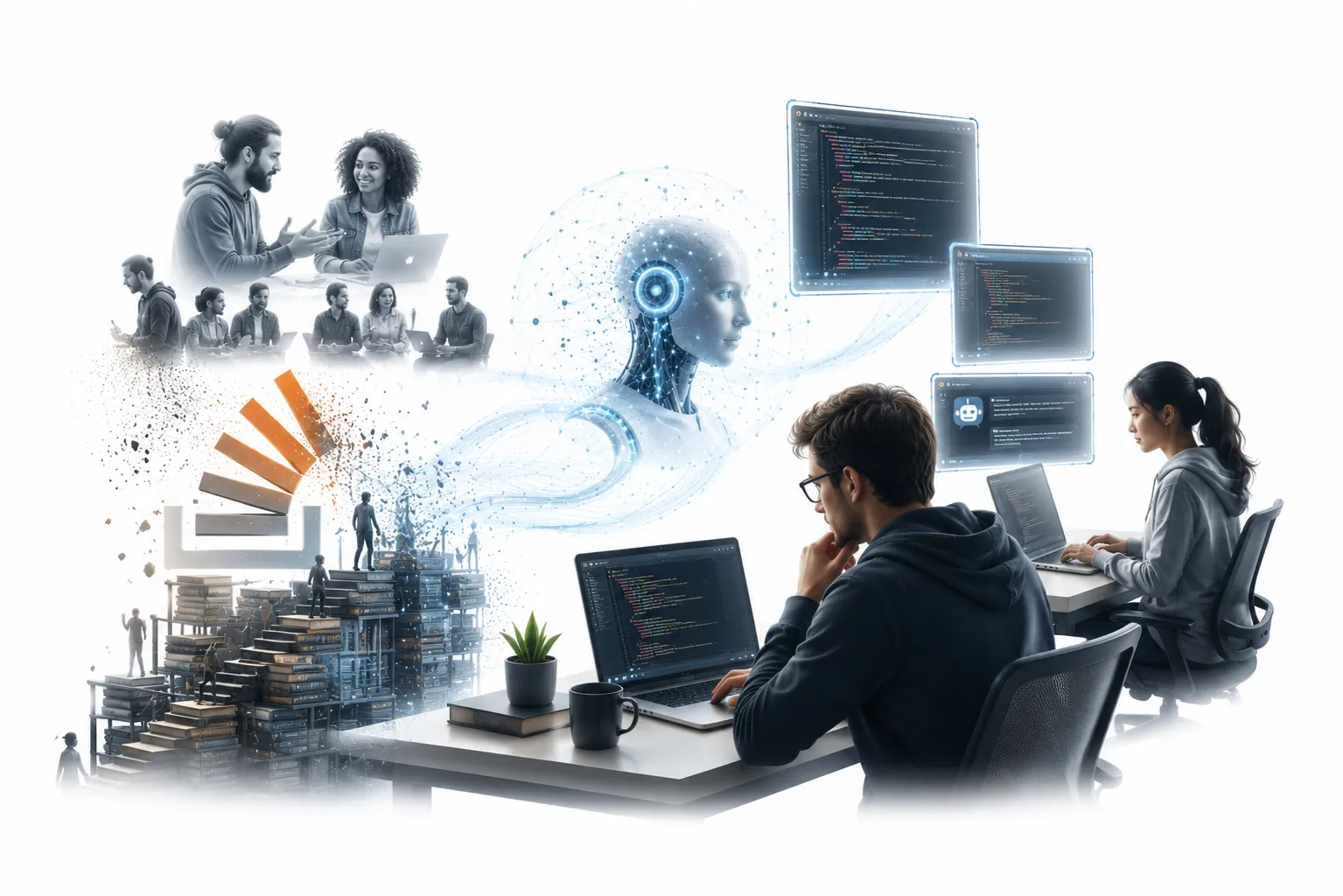
How AI changes platforms, communities, search habits, relationships, religion, society, and public knowledge.
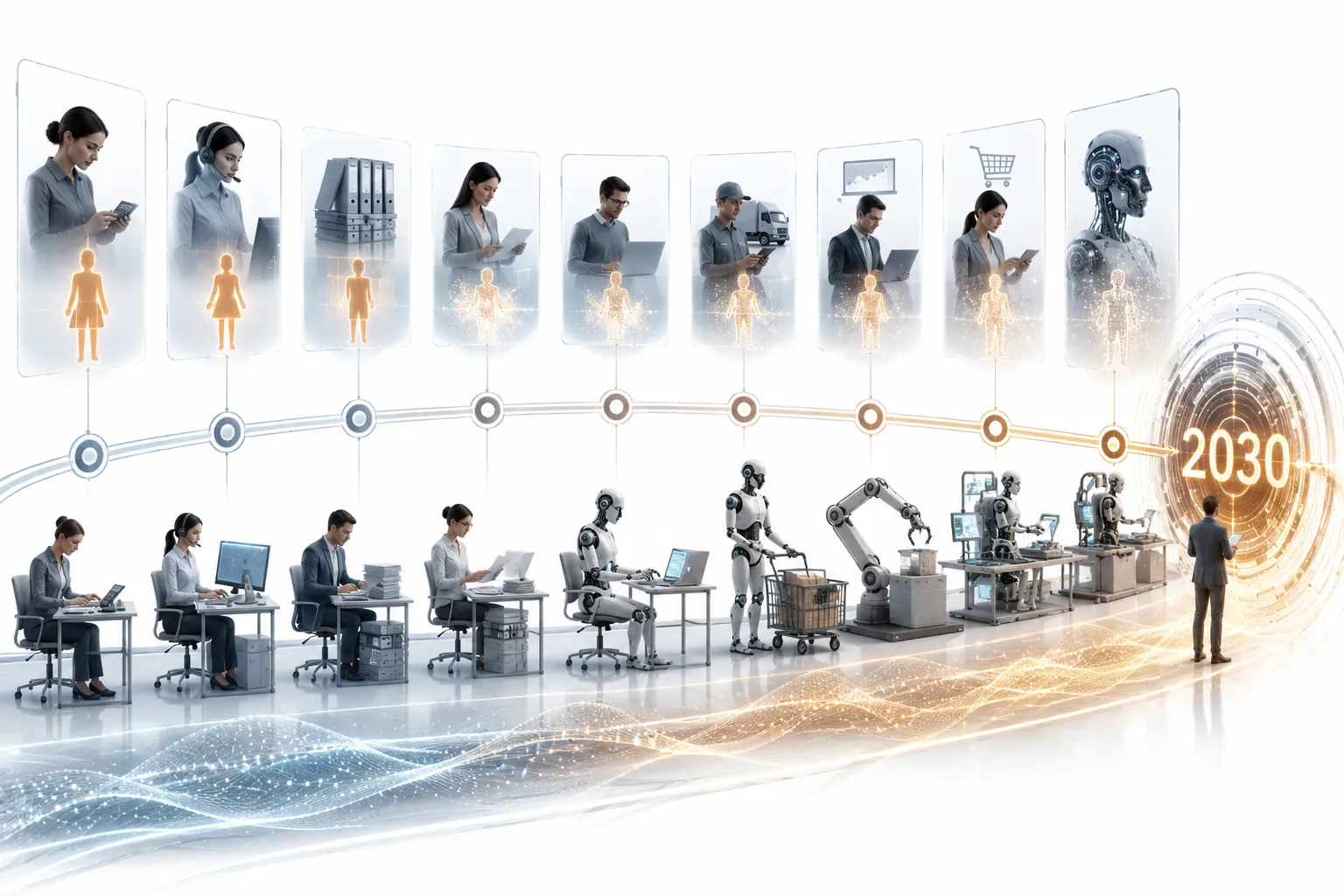
Danger, societal harm, catastrophic scenarios, and future uncertainty.