Career Impact
Is AI a Threat to Security Professionals?
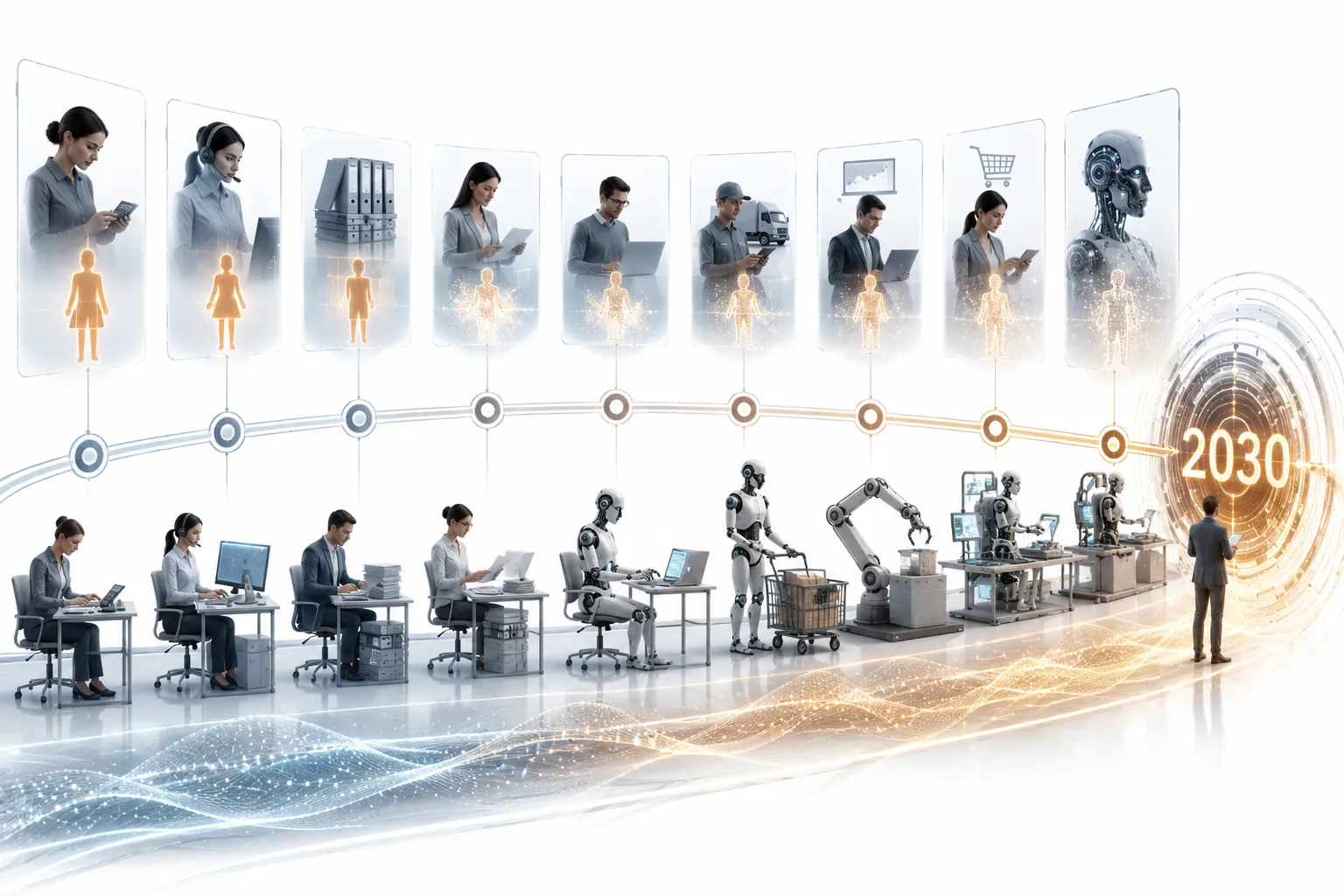
For security guards watching cameras? Yes. For cybersecurity strategists? No. The threat is real—but unevenly distributed.
Yes—for some security roles. Threat level: HIGH for CCTV monitoring, access control, log analysis (60-80% replacement risk). LOW for threat hunting, incident response, de-escalation, executive protection (<20% replacement risk). Overall, 30-50% of current security jobs face automation threat by 2030. But new security roles are emerging. Net impact: transformation, not elimination—for those who adapt.
The Threat Is Real—But Uneven
Monitoring roles are highly threatened (80%). Strategic, judgment, de-escalation roles are AI-resistant (<20%). Know which you are.
Cybersecurity Paradox
AI creates more threats, demanding more defenders. Cybersecurity jobs are growing despite (because of) AI.
Transformation, Not Elimination
The security industry won't shrink—it will transform. Fewer monitors. More decision-makers. Wages polarize.
The Verdict
Is AI a Threat to Security Professionals?
AI is a significant threat to security monitoring roles (CCTV watchers, access control, entry-level log analysts)—60-80% replacement risk by 2030. But AI is NOT a threat—and is actually an opportunity—for strategic security roles (threat hunting, incident response, de-escalation, executive protection). Overall, 30-50% of current security jobs face automation threat. But new roles are emerging. The threat is real but avoidable through adaptation.
Reality Check
What Security Professionals Get Wrong About AI
Only monitoring roles. Strategic, judgment, de-escalation roles grow. 3.5M cybersecurity vacancies prove demand.
If you watch cameras or triage alerts, AI can do it. Denial is dangerous.
For some roles, yes. For others, AI is replacement, not tool. Know the difference.
Waiting is risky. Proactive upskilling is safer. The threat is accelerating.
Evidence
What the Data Shows
Research on AI threat to security employment:
Monitoring roles have 60-80% automation potential
Industry Data
Cybersecurity job postings up 35% (2022-2024)
Industry Data
Security wages polarizing—some down, some up
Industry Data
De-escalation cannot be automated
Expert View
New security roles emerging (AI security specialist)
Expert View
High confidence
What Security Industry Leaders Say
AI is a significant threat to monitoring roles (60-80% replacement). Cybersecurity is paradoxically growing due to AI-generated threats. Strategic, judgment-based security roles are AI-resistant and growing in value.
- Speed of transition (5 vs 10 years)
- Whether net security employment grows or shrinks
- Role of regulation in protecting security jobs
Survival Guide
What If You're a Threatened Security Professional?
Three paths: 1) Upskill within security—move from monitoring to response/judgment roles (6-12 months training). 2) Transition to AI-adjacent role—AI security tool operator, AI trainer for security (3-6 months). 3) Exit security entirely—transfer skills to other fields (hospitality, logistics, customer service). Path 1 is best for career continuity. Path 3 is last resort.
The worst response is inaction. You have 2-5 years. Use them. Waiting = displacement.Scenarios
Three Security Employment Scenarios for 2030
Optimistic: Smooth Transition
Monitoring roles decline (30%). Strategic roles grow (40%). Net employment flat. Wages increase for remaining roles. Reskilling successful.
Realistic: Uneven Transition
Monitoring roles decline (50%). Strategic roles grow (20%). Net employment -15%. Wage polarization. Some displacement, some growth.
Pessimistic: Mass Displacement
Monitoring roles decline (70%). Strategic roles flat (0% growth). Net employment -30%. Significant displacement. Slow reskilling response.
Future Outlook
Security Employment in 2035
By 2028-2030, expect significant reduction in monitoring roles (40-60% fewer). Simultaneous growth in strategic security roles (20-30% more). Wage polarization: low-skill security pays less, high-skill pays premium.
By 2035, security industry transformed: AI handles monitoring. Humans handle judgment, response, de-escalation, strategy. Net employment stabilizes. Security professionals are more valued—and better paid—but fewer in number.
Wild card: Could AI learn judgment and de-escalation? Currently no. But if AI achieves human-level social intelligence, all security roles become threatened. Experts say 20-30+ years away—if possible at all.
Risk Matrix
AI Threat Level by Specific Role
Comprehensive risk assessment for security professionals
| Role | Threat Level | 2030 Outlook | Action Needed |
|---|---|---|---|
| CCTV Monitor | Very High (85%) | -70% employment | Retrain or transition |
| Access Control Clerk | High (75%) | -60% | Retrain or transition |
| SOC Tier 1 Analyst | High (70%) | -50% | Upskill to Tier 2/3 |
| Log Analyst | High (65%) | -45% | Learn AI tools |
| Patrol Guard | Medium (35%) | -15% | Develop judgment skills |
| Incident Responder | Low (15%) | +25% | Thriving—advance |
| Threat Hunter | Very Low (10%) | +30% | Thriving—specialize |
| De-escalation Specialist | Very Low (5%) | +20% | Thriving—rare skill |
| Executive Protection | Minimal (2%) | +15% | Thriving—trust-based |
The Security Paradox: AI Creates Security Jobs
Every AI advancement creates new vulnerabilities. New vulnerabilities require new security measures. New security measures require security professionals. AI generates more threats (AI-powered attacks, deepfakes, autonomous weapons) while automating some defenses. Net effect: demand for human security expertise grows. The cybersecurity talent shortage (3.5M) proves this. AI is not eliminating security jobs—it's transforming and, in many cases, expanding them.
The Threat Is Real. The Opportunity Is Realer.
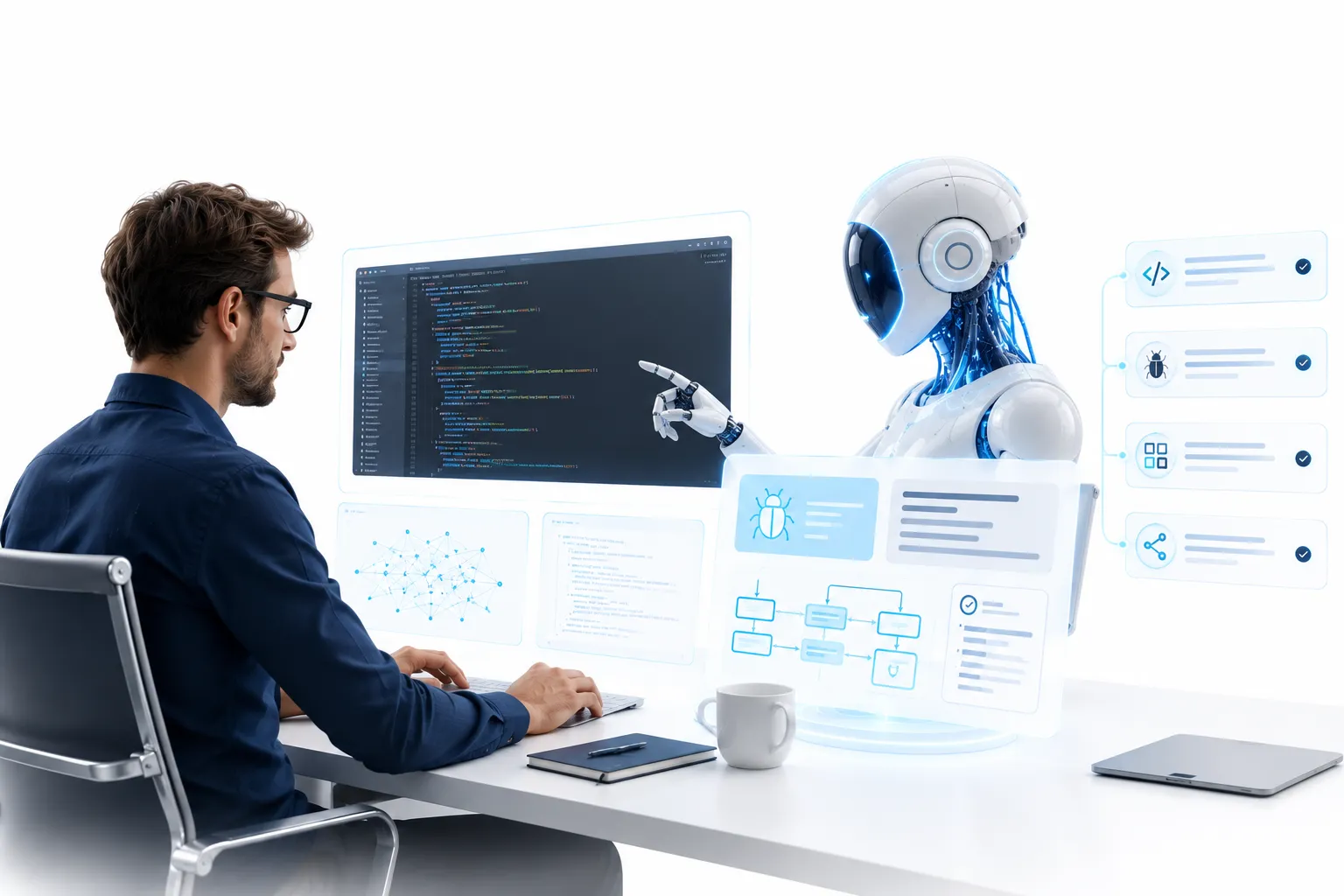
AI is a threat to security professionals who watch and report. It is an opportunity for security professionals who think and act. The monitoring role is dying. The judgment role is thriving. The choice is yours: be displaced by AI, or be augmented by AI. The technology doesn't care. But your career does.
2025 State
AI Threat to Security Professionals Today (2025)
The threat is emerging—not yet widespread, but accelerating.
- AI surveillance cameras deployed in 40% of commercial buildings (up from 15% in 2022)
- 20% of security guard roles focused only on monitoring (highest threat)
- Cybersecurity AI tools adopted by 65% of enterprises—augmenting, not replacing, analysts
- 300,000 security professionals currently in 'high threat' roles (monitoring, log analysis)
- Wage polarization beginning: monitoring wages flat/decreasing, strategic wages rising 15-25%
- Reskilling programs emerging but inadequate (only 10% of affected workers in training)
Guards and Monitors
Physical Security: Who Is Threatened?
Physical security splits into monitoring (high threat) and response (low threat).
HIGH THREAT (60-80% replacement risk): CCTV monitors (pure watching), access control booth attendants, gatehouse guards (no judgment needed), report loggers (data entry equivalent). These roles consist of predictable, repeatable tasks that AI does better.
LOW THREAT (<20% replacement risk): Patrol guards (mobile presence, deterrence), de-escalation specialists (conflict resolution), executive protection (trust-based), school security officers (relationship-based), hospital security (patient interaction). These roles require human judgment, presence, de-escalation—AI cannot do these.
MEDIUM THREAT (30-50%): Security supervisors (some monitoring, some judgment), incident responders (mixed tasks). These roles will be AI-augmented—reduced headcount but higher skill requirements.
THE PATTERN: If your job is watching and reporting, you're threatened. If your job is interacting, judging, and responding, you're safe.
Analysts and Engineers
Cybersecurity: Surprisingly Safe (Even Growing)
AI is a threat to entry-level cybersecurity roles—but an opportunity for everyone else.
LOW THREAT (<20% replacement risk): Threat hunters (proactive searching), incident responders (real-time decisions), security architects (design), red team/pen testers (creative hacking), CISOs (strategy). These roles require strategic thinking, creativity, judgment—AI augments but doesn't replace.
MEDIUM THREAT (30-50%): SOC tier 1 analysts (alert triage), log analysts (pattern recognition). AI will handle 50-70% of this work, reducing headcount. Remaining analysts focus on complex cases.
OPPORTUNITY NOT THREAT: The cybersecurity talent shortage (3.5M unfilled) means demand exceeds supply. AI is filling gaps, not causing unemployment. Entry-level roles may shrink, but mid/senior roles grow.
THE PATTERN: If your job is triaging known alerts, you're threatened. If your job is hunting unknown threats or responding to incidents, you're safe—and in demand.
Analogy
The Bank Teller of Security
But tellers didn't disappear. They transformed: from transaction processors to relationship bankers. ATMs handled routine cash. Tellers handled complex customer needs. Same industry. Same employer. Different job. Security is the same: AI handles monitoring (routine). Humans handle judgment (complex). The threat is real—but so is the opportunity. Transform or be displaced.
Key Takeaways
Survival Guide for Security Professionals
- Assess your threat level honestly. Monitoring only? High threat. Judgment/response? Low threat.
- If threatened: Upskill to judgment/response roles. De-escalation training. Incident response certification.
- Learn AI tools. You will work alongside AI—learn to use it.
- Develop human skills. Judgment, de-escalation, communication, trust-building. AI cannot do these.
- Consider cybersecurity. 3.5M unfilled positions. Growing field.
- Don't wait. The threat is accelerating. Act now.
FAQ
Common Questions
Will AI replace all security guards?
No. Only monitoring guards (CCTV watchers). Patrol, de-escalation, executive protection guards are safe—AI cannot replace physical presence and judgment.
Is cybersecurity a safe career from AI?
Yes. 3.5M unfilled positions. AI creates more threats, demanding more defenders. Entry-level roles may shrink, but mid/senior roles grow.
What security jobs should I avoid?
Pure monitoring: CCTV watcher, access control clerk, entry-level log analyst. These have 60-80% replacement risk.
What security jobs should I pursue?
Threat hunting, incident response, de-escalation, executive protection, security consulting. These have <20% replacement risk.
Sources
References
- AI Threat Assessment for SecurityASIS International
- Cybersecurity Workforce StudyISC2
- Security Guard Employment ProjectionsBureau of Labor Statistics

Question journey
If this question matters, read these next
If you are worried about AI replacing jobs, most readers continue through this path.